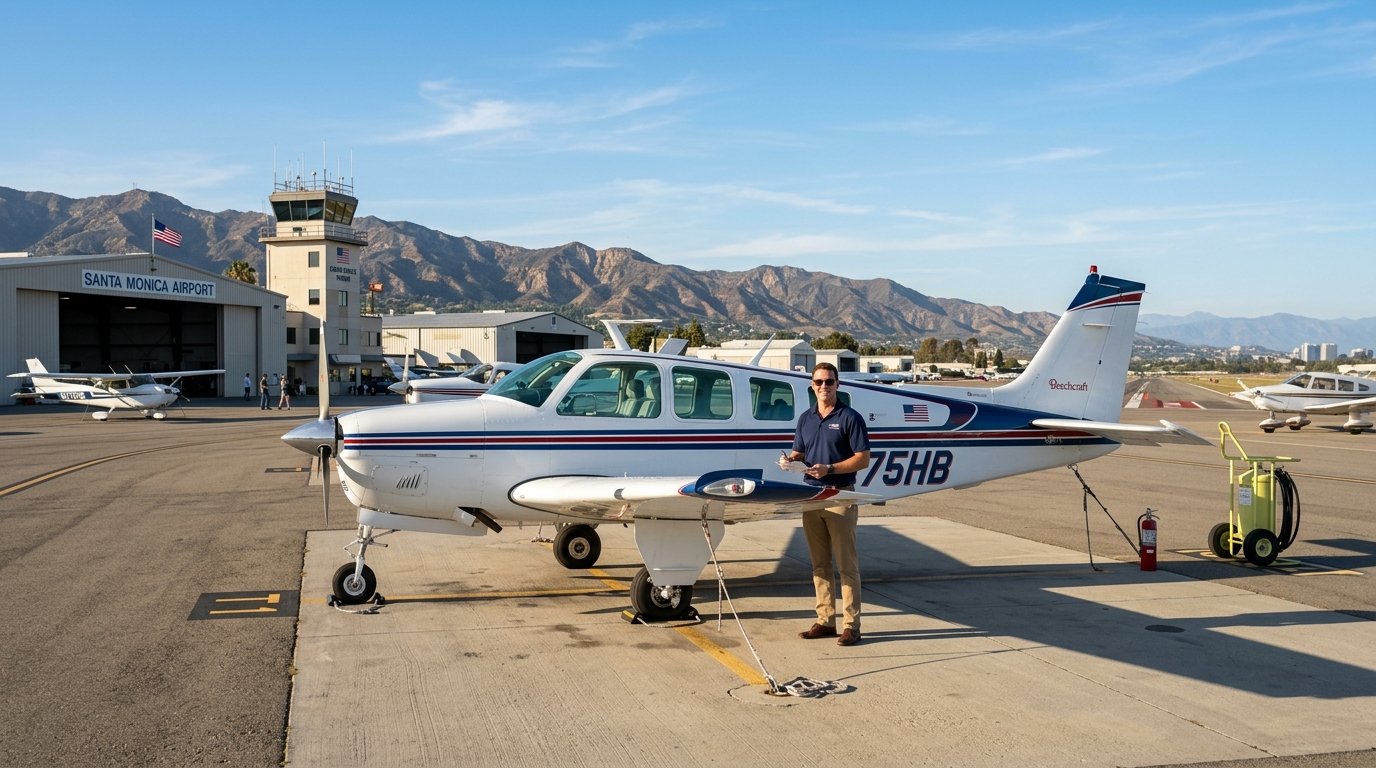
Aircraft History Reports Know the History Before You Buy.
Check a U.S. aircraft by tail number before you buy. Review available registration, ownership, aircraft, accident, and other reported history to make a more informed buying decision.
Why Check an Aircraft's History?
An aircraft can appear well maintained while its historical records may reveal previous accidents, registration changes, ownership history, or other important events. Reviewing available history before a purchase can provide useful background for your due diligence.
Aircraft Information
Review available manufacturer, model, year, serial number, category, and other aircraft details.
Registration History
Review available registration status and historical registration events.
Ownership History
Review available ownership and registration-related history.
Accident & Incident History
Review reported aviation accidents and incidents when records are available.
Tail Number History
Use the aircraft's N-number to identify the aircraft and review associated historical records.
Other Reported Records
Review other available historical information relevant to the aircraft.
What Can an Aircraft History Report Tell You?
Available information varies by aircraft and available records. Not every aircraft has every type of record.
- Manufacturer
- Model
- Aircraft year
- Serial number
- Aircraft category
- Engine information where available
- Current registration status
- Registered owner information where appropriate/available
- Registration history
- Ownership/registration changes
- Accident records
- Incident records where available
- Other reported historical events
Which Aircraft Can You Check?
Aircraft history checks may be useful for many U.S.-registered aircraft, depending on available records. For example, common manufacturers like Cessna, Piper, Beechcraft, Cirrus, or Mooney.
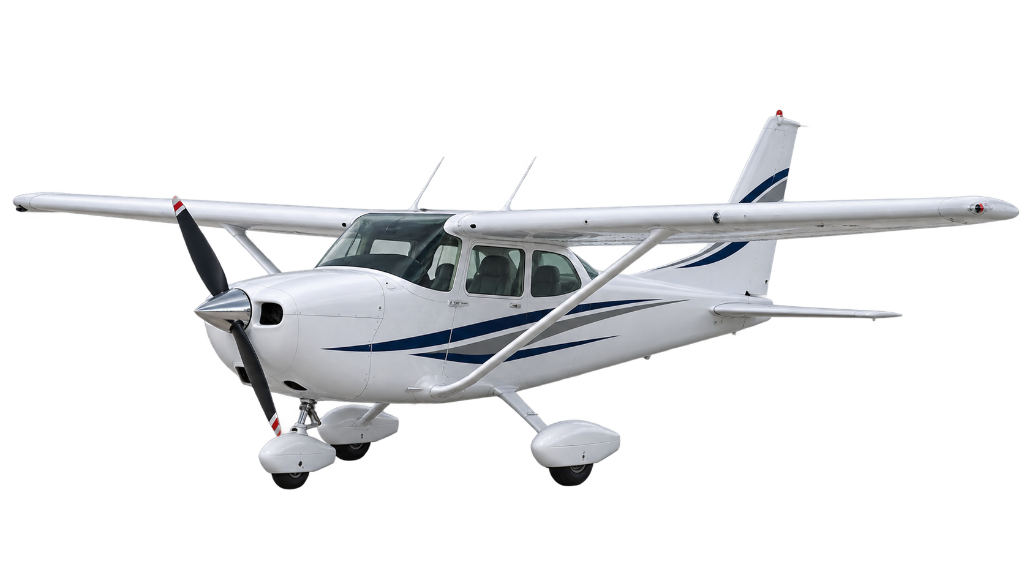
Single-engine airplanes
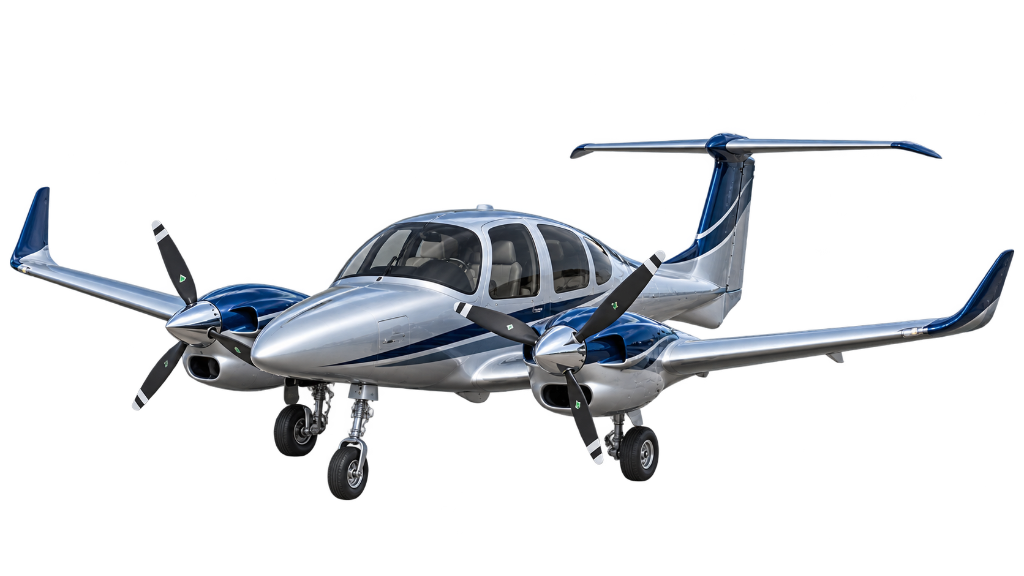
Multi-engine airplanes
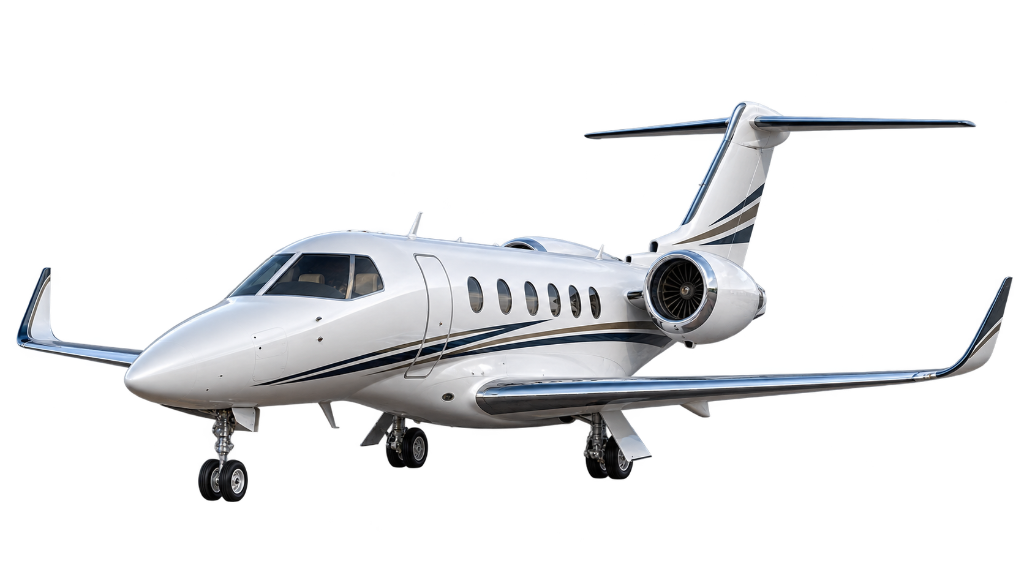
Private aircraft
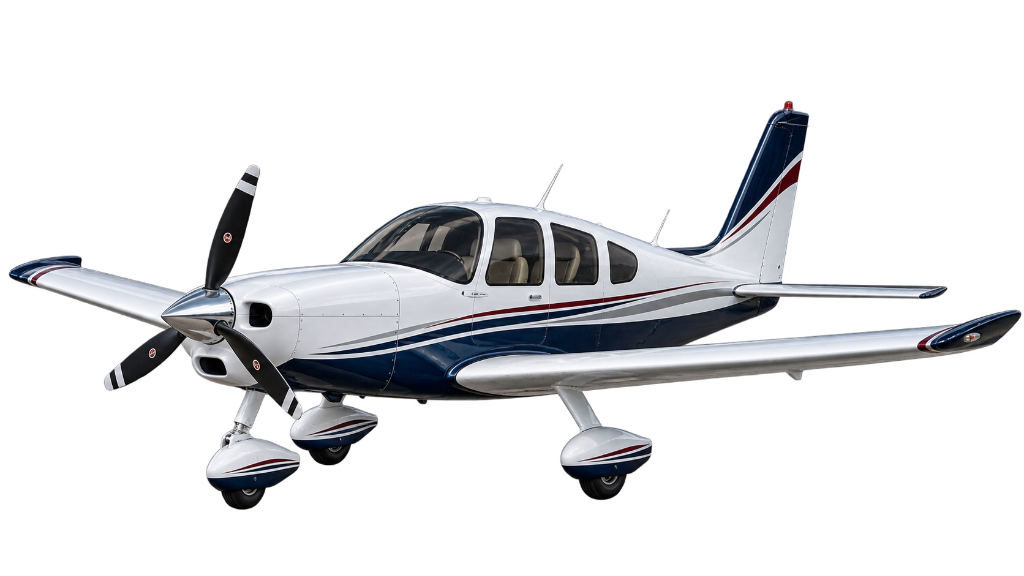
General aviation aircraft
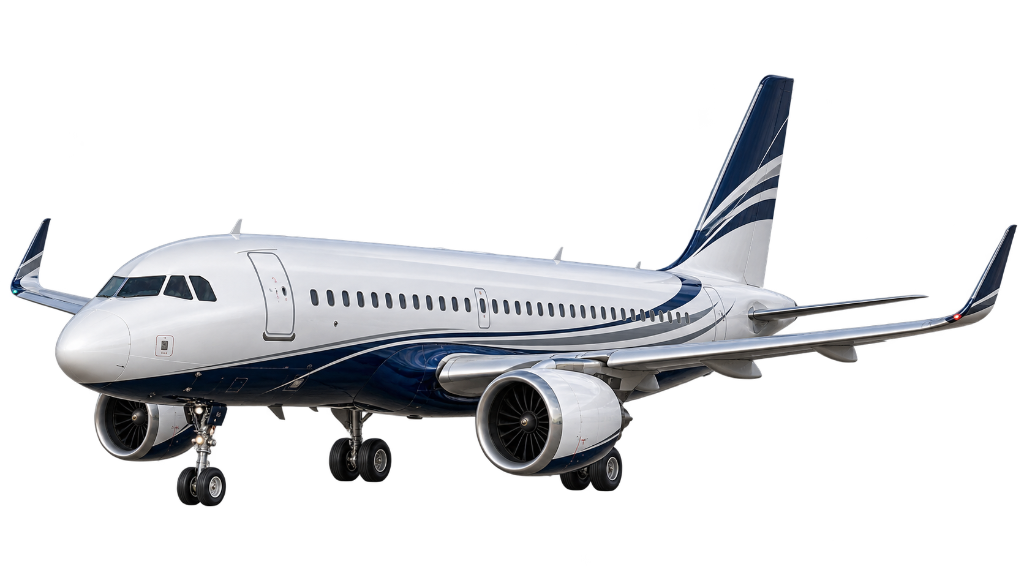
Business aircraft
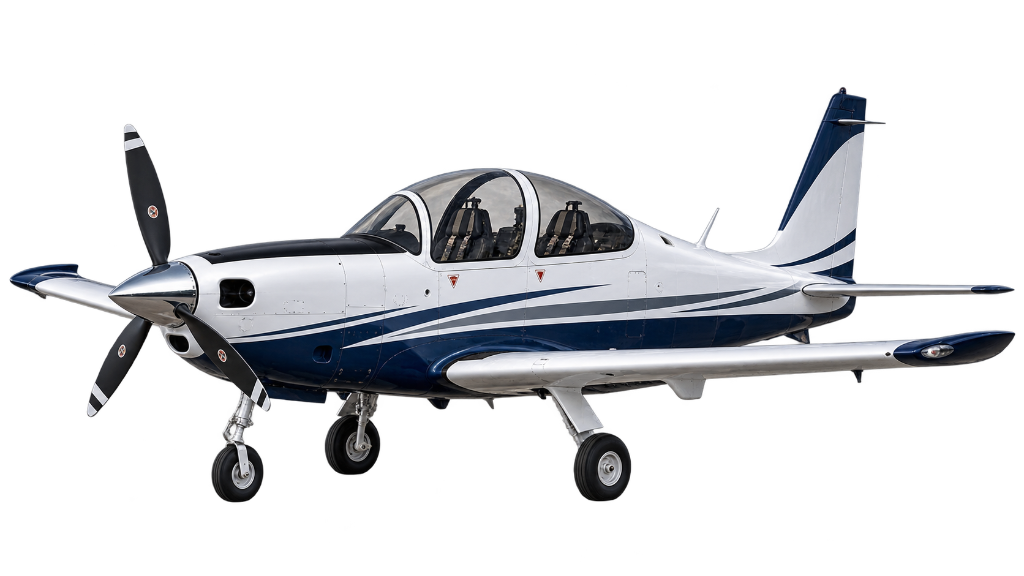
Trainer aircraft
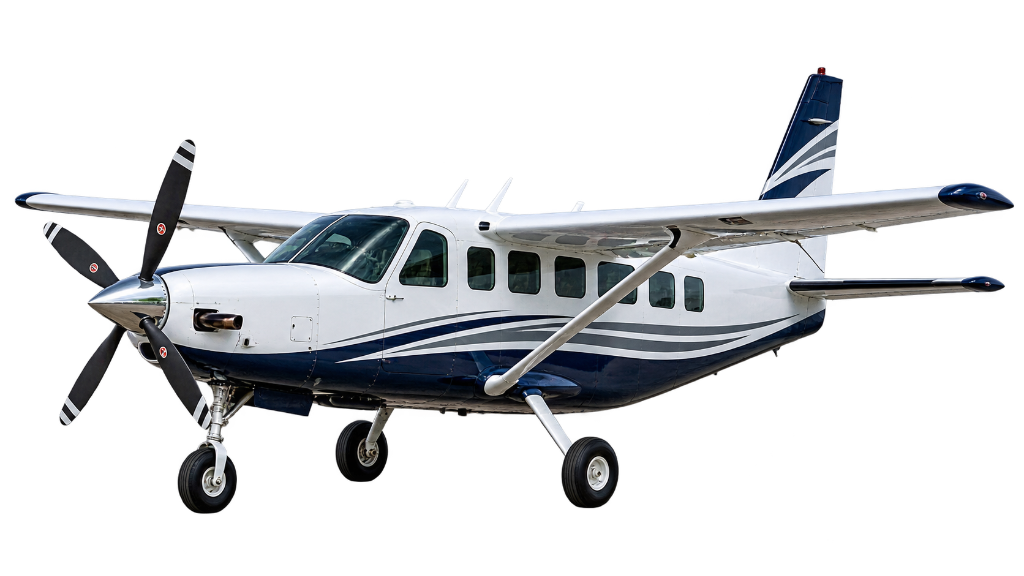
Utility aircraft
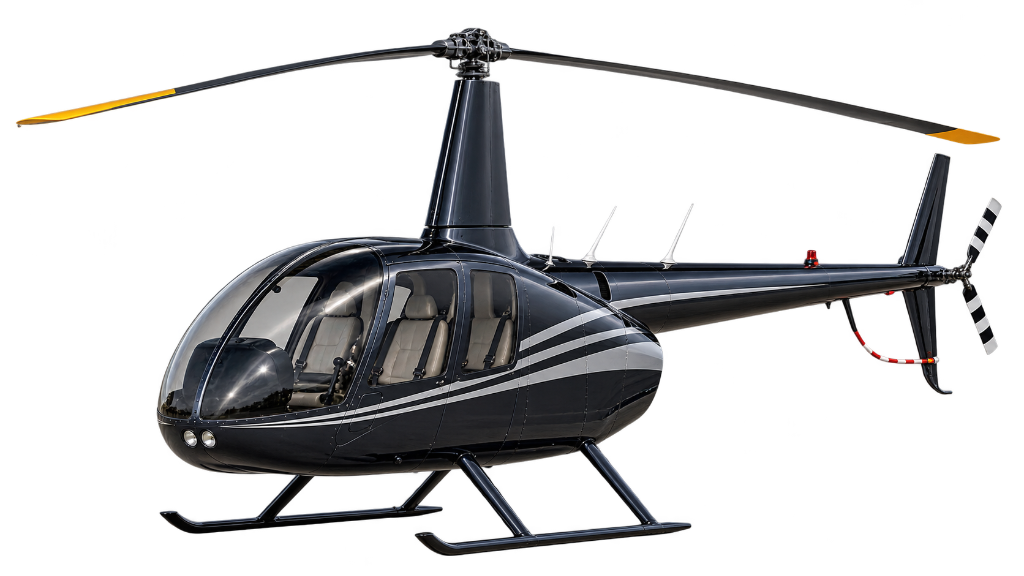
Other eligible U.S.-registered aircraft
We do not imply that every aircraft is guaranteed to have complete records.
Buying a Used Aircraft? Check the History First.
Aircraft history matters. Checking available records can provide insight into:
- • Previous accidents
- • Reported incidents
- • Registration changes
- • Ownership history
- • Aircraft identity/details
- • Potential historical events affecting value
- • Questions that should be investigated during pre-purchase due diligence
What to Check Before Buying a Used Aircraft
- Verify the tail number/N-number
- Verify the aircraft serial number
- Review aircraft history
- Review accident and incident records
- Check registration status
- Review ownership/registration history
- Review available aircraft information
- Examine maintenance records/logbooks
- Review airframe and engine hours
- Check AD compliance
- Review inspection records
- Check liens/title documentation where appropriate
- Inspect the aircraft physically
- Arrange a qualified pre-purchase inspection
- Consult an aviation professional before completing the purchase
Important: A history report does NOT replace aircraft logbooks, maintenance records, title/lien research, or a qualified pre-purchase inspection.
How It Works
Enter the Tail Number
Enter the aircraft's U.S. tail number or N-number into the search form.
Choose Your Report
Select the aircraft-history report option that fits your needs.
Get Your Report
Review the available aircraft history and use it as part of your pre-purchase research.
1 Aircraft History Report
One-time payment
- 1 Aircraft History Report
- Report access available while stored in our database
5 Aircraft History Reports
One-time payment
- 5 Aircraft History Reports
- Report access available while stored in our database
Who Uses Aircraft History Reports?
Historical information is one part of proper aircraft due diligence.
An Aircraft History Report Is One Part of the Buying Process
An aircraft history report can provide useful historical information, but it does not replace aircraft logbooks, maintenance records, title or lien research, or a qualified pre-purchase inspection. Records may be incomplete, delayed, or unavailable for some aircraft.
Aircraft History Report FAQs
Ready to Check an Aircraft's History?
Enter the aircraft tail number and review available historical information before you buy.