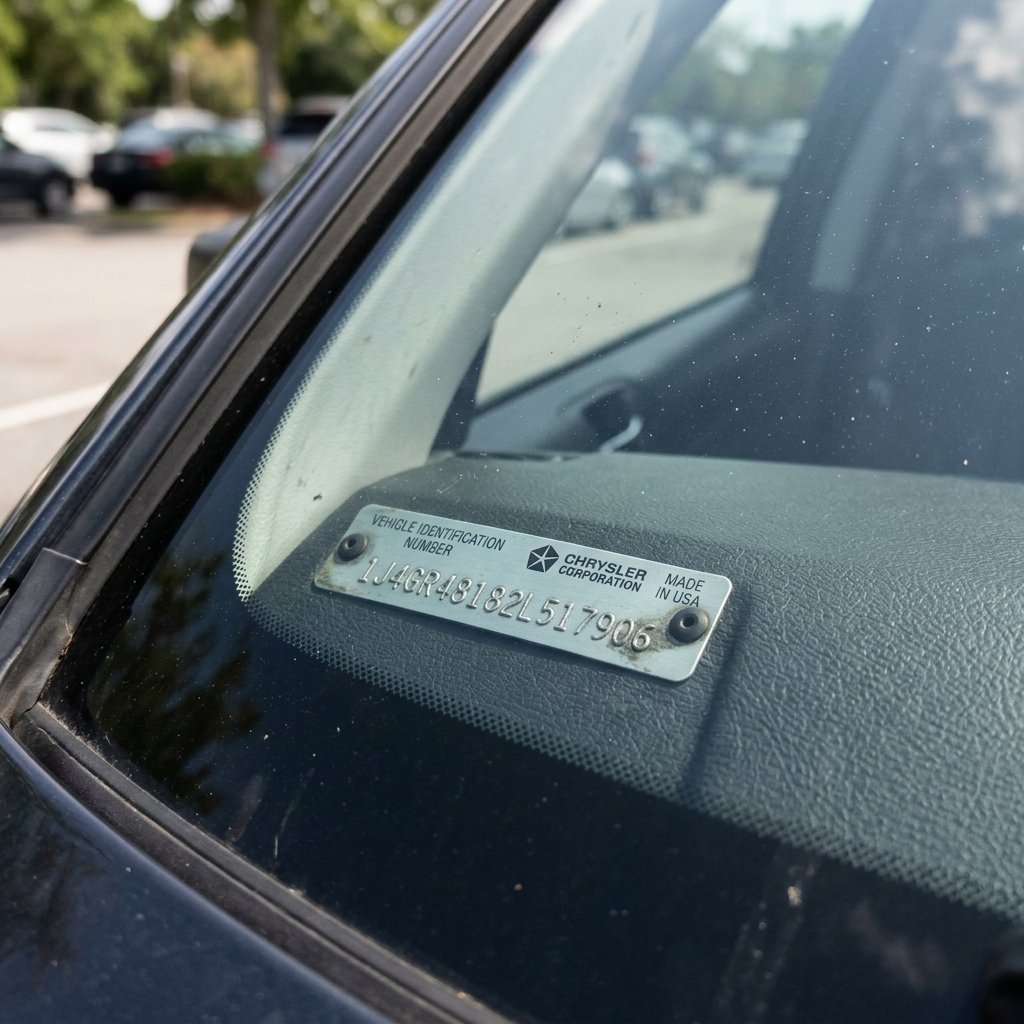
When you are researching a vehicle, one of the most critical pieces of information you can obtain is the vehicle’s VIN. A VIN is much more than a random string of letters and numbers; it is the definitive identifier for a specific car, truck, or SUV. Understanding what a VIN is and knowing how to use it can help you uncover a vehicle’s hidden past and make a safer, more informed decision when buying a used car.
What Is a VIN?
VIN stands for Vehicle Identification Number. It serves as the vehicle’s unique fingerprint, ensuring that no two vehicles in operation have the same identifier. Manufacturers, government agencies, insurance companies, and repair shops use this code to track a vehicle throughout its lifespan. Since 1981, modern vehicles have utilized a standardized, unique 17-character VIN consisting of capital letters and numbers. These 17 characters are carefully structured to encode vital information about the vehicle’s manufacturer, brand, engine size, model year, and assembly plant.
Where Can You Find a VIN?
Locating a vehicle’s VIN number is straightforward. You can typically find it in several accessible locations on the vehicle itself, as well as on official paperwork:
- Driver’s-side dashboard: The most common location. Look through the windshield from the outside of the car at the lower corner on the driver’s side.
- Driver’s-side door jamb: Open the driver’s door and look for a sticker or metal plate on the door pillar where the door latches.
- Vehicle title: The official certificate of title will boldly display the 17-character VIN.
- Registration documents: Your state DMV registration card includes the VIN for identification.
- Insurance documents: Your insurance policy and proof-of-insurance cards will list the VIN.
What Information Can a VIN Help You Find?
Because the VIN acts as a tracking number for the vehicle’s life events, it connects to vast databases of historical records. Running a VIN check can help you uncover a wide range of useful information, including:
- Vehicle identification details: Confirm the exact year, make, model, trim, and engine specifications.
- Accident and damage records: Check for reported collisions, structural damage, or airbag deployments.
- Title and brand history: See if the vehicle has ever been issued a salvage, rebuilt, junk, or flood title.
- Odometer records: Verify historical mileage to spot potential odometer rollbacks or inconsistencies.
- Ownership and registration history: Discover how many previous owners the vehicle has had and where it was registered.
- Theft and recovery records: Ensure the vehicle has not been reported stolen.
- Recall information: Look for any open, unresolved factory safety recalls.
- Available service and maintenance records: Review logged maintenance events from participating service centers.
Why Is a VIN Important When Buying a Used Car?
A vehicle might look pristine on the dealership lot, but a fresh coat of paint and thorough detailing can hide a troubling past. The VIN is important because it empowers you to verify the seller’s claims. By checking the VIN, a buyer can access documented used car history that reveals potential issues that are not obvious from a visual inspection. Whether it is uncovering a severe past collision, verifying that the mileage is accurate, or ensuring you aren’t buying a stolen vehicle, the VIN is your primary tool for pre-purchase research.
How to Check a VIN
Checking a VIN is a simple and accessible process. Once you have located the 17-character VIN, you can enter it into a trusted vehicle-history service to instantly query national databases. At USA Auto History, our VIN search tool is designed to quickly compile records from DMVs, insurance providers, and industry partners into one easy-to-read vehicle history report. Simply type the VIN into our search bar to begin reviewing the vehicle’s available background information.
What a VIN Check Cannot Tell You
While a vehicle history report is incredibly useful, it is important to understand its limitations. A VIN check does not guarantee a 100% complete record of every event involving a vehicle. The available information depends entirely on records that have been officially reported by various sources and jurisdictions. Minor fender benders, DIY repairs, or maintenance performed by small independent shops may never make it onto a report. Therefore, a VIN check should never replace a thorough physical inspection, a comprehensive test drive, or an evaluation by a trusted, independent mechanic.
Conclusion
Understanding what a VIN is and taking the time to check it is one of the most important steps you can take when researching a used vehicle. It transforms the unique 17-character code on your dashboard into a detailed map of the vehicle’s past. By combining a comprehensive VIN check with a professional physical inspection, you can shop with confidence, avoid hidden problems, and make a smart automotive investment.