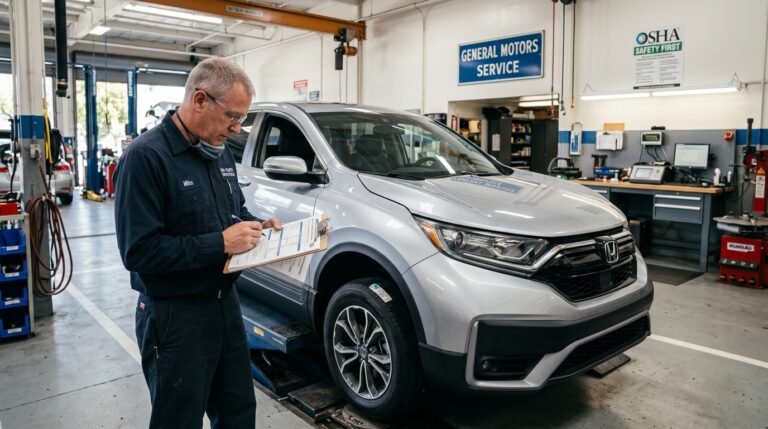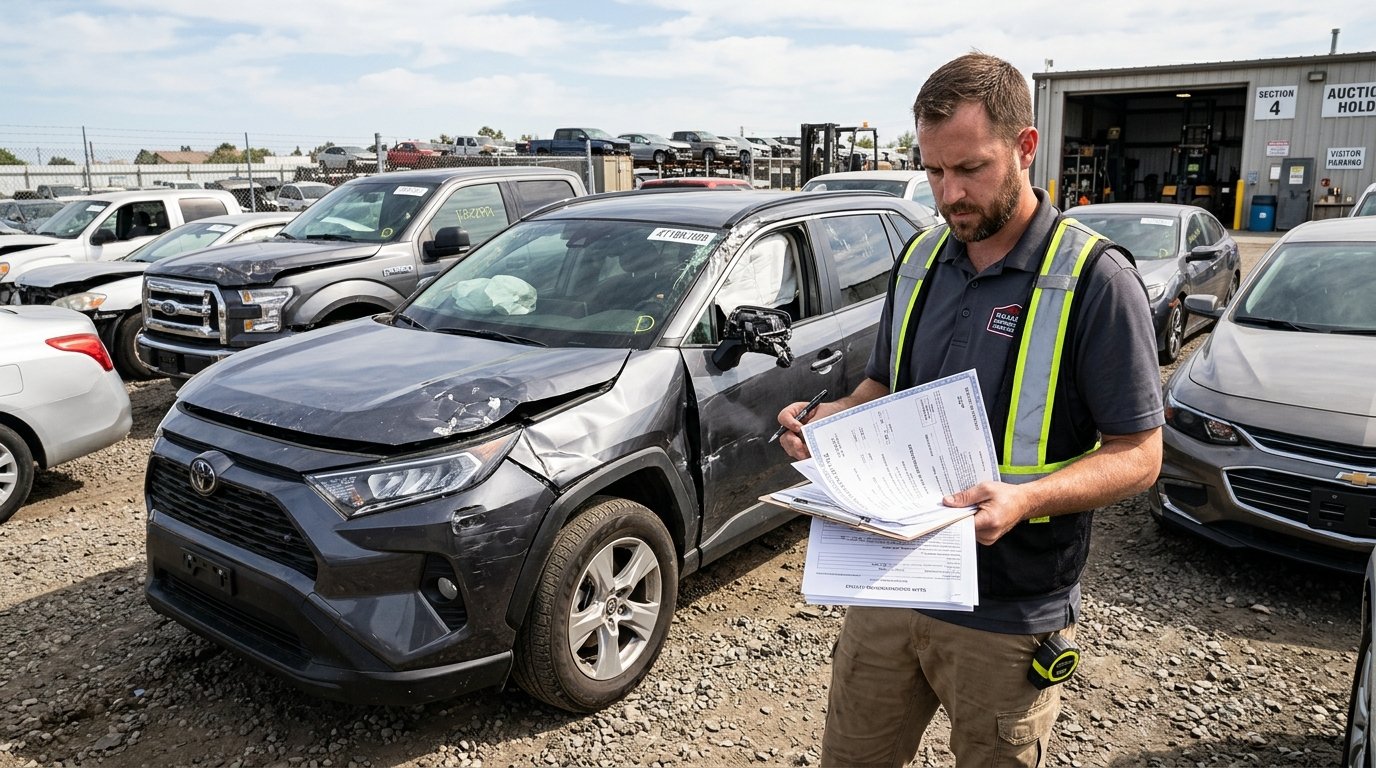
When shopping for a used vehicle, encountering a salvage title can be a major red flag. While a lower price tag might seem tempting, it is crucial to understand what a salvage title means and how it can affect your safety, insurance, and finances. Knowing the difference between clean and salvage titles is an essential part of the used-car buying process.
What Is a Salvage Title?
A salvage title is an official brand applied to a vehicle’s registration document by a state Department of Motor Vehicles (DMV). It generally signifies that the vehicle has sustained significant damage or loss. When an insurance company determines that repairing a damaged vehicle would cost more than a specific percentage of its current market value, they declare it a “total loss.” Once declared a total loss, the state issues a salvage title to warn future buyers. Exact title rules, damage thresholds, and definitions can vary significantly by state.
How Does a Vehicle Get a Salvage Title?
Vehicles receive salvage designations for several common reasons:
- Severe Accident Damage: The vehicle was involved in a major collision requiring extensive, costly repairs.
- Flood Damage: Water damage can destroy a vehicle’s electrical systems and engine, often resulting in an immediate total loss declaration.
- Theft Recovery: If a vehicle is stolen and not recovered quickly, the insurance company pays out the claim. If the vehicle is later recovered, it may be issued a salvage title, even if it sustained minimal physical damage.
- Fire or Vandalism: Extensive non-collision damage can also trigger a total loss designation under applicable rules.
Salvage Title vs. Clean Title
The distinction between a salvage title and a clean title is critical to a buyer. A clean title generally means the vehicle has never been deemed a total loss by an insurance company. It does not necessarily mean the car has never been in a minor accident, but it confirms the car has avoided catastrophic damage. A salvage title serves as a permanent warning that the vehicle suffered a severe event, permanently lowering its resale value and affecting its legal status.
Can You Drive a Salvage-Titled Vehicle?
In most states, it is illegal to drive a vehicle with an active salvage title on public roads. A salvage vehicle cannot be registered or insured for normal road use. Before it can be legally driven again, it must undergo necessary repairs, pass a rigorous state-mandated safety inspection, and have its title status officially changed.
What Is a Rebuilt Title?
Once a salvage-titled vehicle is repaired and passes the required state inspections, the DMV may issue a “rebuilt” or “reconstructed” title. This means the vehicle is legally allowed back on the road. However, it is vital to understand the relationship between these statuses: a rebuilt title means the car was previously a salvage vehicle. Not every salvage vehicle is automatically repaired, and not all of them become rebuiltΓÇömany are sold strictly for parts.
Should You Buy a Salvage-Titled Car?
Buying a salvage or rebuilt title car comes with distinct advantages and significant risks. It is important to approach this decision with a balanced perspective:
- Lower Purchase Price: Salvage and rebuilt vehicles are typically priced significantly below their clean-title counterparts.
- Unknown or Extensive Previous Damage: It is often difficult to determine exactly how badly the vehicle was damaged originally.
- Repair Quality: Even if the vehicle looks great, the underlying repairs might have been rushed or performed with substandard parts.
- Insurance Considerations: Many insurance companies refuse to offer comprehensive or collision coverage for salvage or rebuilt vehicles, limiting you to liability-only policies.
- Financing and Resale: Banks are often reluctant to finance salvage vehicles. Furthermore, selling a rebuilt car in the future will be considerably more difficult.
- Difficulty Determining the Complete History: Tracking down the original damage photos or repair invoices can be incredibly challenging.
How to Check if a Vehicle Has a Salvage Title
The easiest way to check if a vehicle has a salvage title is to run a VIN check before purchasing. By entering the 17-character Vehicle Identification Number into a vehicle-history service, buyers can review available title and historical records instantly. USA Auto History offers a robust VIN search designed to compile data from DMVs and industry partners, helping you verify a vehicle’s title status with ease.
What a Vehicle History Report Can Tell You
A comprehensive vehicle history report can tell you far more than just the title brand. Available records can help a buyer investigate past accidents, structural damage, odometer readings, and theft or recovery records. However, it is important to make clear that available records depend entirely on the data sources and jurisdictions reporting them. A history report may not contain every single event in a vehicle’s history, especially minor or unreported incidents.
Conclusion
Checking the VIN and understanding a vehicle’s title status are non-negotiable steps when buying a used vehicle. While a salvage title car might offer a steep discount, it carries long-term risks regarding safety, insurance, and resale value. Always run a thorough vehicle history check and consult with a professional mechanic before making your final decision.