Introduction
A vehicle history report is a digital document that aggregates recorded historical data about a specific vehicle. When purchasing a used vehicle, buyers use these reports to uncover potential warning signs, red flags, and essential background information before handing over any money. By compiling data from various sourcesΓÇösuch as state departments of motor vehicles (DMVs), insurance companies, and auto recyclersΓÇöa history report can reveal issues that are not always obvious from a simple visual inspection.
Every report is tied directly to the vehicle’s unique 17-digit Vehicle Identification Number (VIN). This alphanumeric code acts as the vehicle’s fingerprint, ensuring the records you are reviewing belong to the exact car you are evaluating. In this article, you will learn exactly what information a vehicle history report is designed to tell you, what to look for when reading the report, what the limitations of these reports are, and why they should always be paired with a physical inspection.
The Core Components of a Vehicle History Report
A vehicle history report is designed to organize available historical records into a chronological timeline. It is important to note that the available information depends entirely on the vehicle’s past and the specific sources that report that information. Not every event in a vehicle’s life is officially recorded, but when data is available, it typically falls into the following key categories.
Accident and Damage History
An accident or damage record indicates that a collision or damage event has been reported by one or more available data sources. These incidents can range from minor cosmetic scrapes to severe structural damage and airbag deployments.
When reviewing these records, the dates and severity of the damage matter significantly. A minor fender-bender ten years ago is very different from a major collision that occurred three months before the car was listed for sale. Multiple reported incidents deserve closer attention, as repeated damage can compromise the vehicle’s integrity.
However, an accident record does not automatically determine the vehicle’s current condition if the repairs were completed to a high professional standard. Conversely, the absence of an accident record does not guarantee that the vehicle has never been damagedΓÇöit simply means no official report was filed.
Title and Title-Brand Information
Vehicle title history indicates the legal ownership status of the car. A clean title generally means the vehicle does not currently carry a state-reported branded title. In contrast, a “branded” title is a permanent designation placed on the vehicle’s record by a state DMV due to severe issues. Common brands include salvage, rebuilt, flood, fire, or hail damage.
Title information is crucial because a branded title can drastically reduce a vehicle’s value, make it difficult to insure, and indicate previous catastrophic damage. Because title terminology and regulations can vary by state, reviewing the specific title history on the report helps you understand the legal and physical history of the car.
Odometer and Mileage Records
Mileage history matters because the total distance a vehicle has driven heavily impacts its value and expected lifespan. As a vehicle passes through various reporting touchpointsΓÇösuch as emissions tests, state registrations, and dealership maintenanceΓÇöits mileage is often recorded.
Buyers can compare this recorded mileage timeline with the physical odometer reading on the dashboard. Inconsistent mileage records, or mileage that suddenly drops between recorded dates, may indicate odometer rollback fraud or a broken odometer. This information should always be evaluated alongside the vehicle’s overall age and physical condition.
Previous Ownership and Registration History
When available, ownership history can show how many different people or entities have owned the vehicle and how long they kept it. Registration history provides useful context by revealing where the vehicle has been located. For example, frequent changes between states might warrant extra scrutiny, especially if the car was recently moved from a state that experienced severe flooding.
Buyers should consider the overall history rather than assuming a high number of owners automatically means a vehicle is bad. Sometimes, vehicles change hands frequently due to lease agreements or dealership transfers rather than mechanical issues.
Vehicle Use History
There can be a significant difference between a vehicle used for personal commuting and one used for commercial purposes. When such information is available, a report may indicate if the car was recorded as a rental, commercial, fleet, or taxi vehicle.
The way a vehicle was used provides additional context about potential wear and maintenance. Commercial or rental vehicles often endure higher mileage and rougher use than personal vehicles. Keep in mind that not every report will contain usage records, and this data depends on how the vehicle was officially registered.
Theft and Recovery Information
Theft history is a vital component of a vehicle history report. A report may indicate if a vehicle is currently reported stolen, or it may show historical records if the car was stolen and recovered in the past.
A vehicle reported as stolen can create serious legal and financial problems for a buyer, including the possibility of recovery by law enforcement.┬áKnowing a vehicle’s theft history protects you legally and financially.
Service, Maintenance, and Recall Records
When maintenance records are available, they may show a documented history of oil changes, tire rotations, and other routine services. This can provide useful ownership history, suggesting the previous owner was diligent about upkeep.
However, missing maintenance records do not automatically mean the vehicle was neglected. Many owners perform DIY maintenance or use independent repair shops that do not report to national databases. Additionally, reports may flag open safety recalls issued by the manufacturer, alerting the buyer to defects that need to be addressed at a dealership.
What a Vehicle History Report Cannot Tell You
A vehicle history report is based entirely on available historical records and is not a complete guarantee of everything that has happened to a vehicle. There are many scenarios where significant events may not be recorded.
For example, if a previous owner backs into a pole and pays a local mechanic directly in cash to fix the damage, that unreported accident will not appear on a history report. Similarly, DIY maintenance or work performed by facilities that do not share their records will be absent.
Most importantly, a report cannot tell you the current condition of the engine or transmission, nor can it predict mechanical problems that develop after the last recorded event. A clean report is a positive sign, but it should never be interpreted as a guarantee that the vehicle is mechanically perfect.
Why You Still Need a Physical Inspection and Test Drive
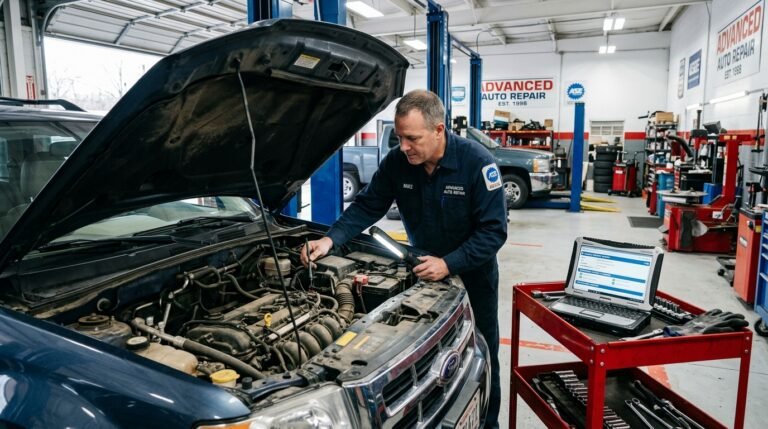
A vehicle history report and a physical inspection are designed to work together. While the report tells you about the car’s documented past, an inspection tells you about its present condition.
You should always test drive the vehicle, checking the exterior and interior for signs of previous repairs, uneven panel gaps, or unusual wear. Pay attention to the tires, brakes, fluids, and any visible leaks.
Whenever appropriate, have an independent mechanic perform a pre-purchase inspection (PPI). A professional mechanic can put the car on a lift and identify current mechanical wear or hidden physical problems that historical records simply cannot reveal. A vehicle history report should never replace a professional mechanical inspection.
How to Use a Vehicle History Report Before Buying
Step 1: Find the Vehicle Identification Number
The VIN is typically located on the driver’s side dashboard (visible through the windshield) or on a sticker inside the driver’s side door jamb. Entering the correct VIN matters because even a single incorrect digit can pull the history of a completely different vehicle.
Step 2: Run a Vehicle History Search
Once you have the VIN, enter it into a trusted provider to run the search. While this will aggregate the available data, remember that no provider can promise that absolutely every event in the car’s life will appear in the report.
Step 3: Review the Title History
Look carefully at the title section. Branded titles (like salvage or rebuilt) deserve immediate attention, as they indicate severe past damage that drastically affects the car’s value and safety.
Step 4: Review Accident and Damage Records
Evaluate the dates, severity, and frequency of any reported accidents. Use this information to ask the seller specific questions or to direct your mechanic to inspect certain areas of the car more closely.
Step 5: Compare Mileage Records
Look for inconsistent or unexpected mileage entries on the report. Compare the most recent recorded mileage to the actual numbers on the vehicle’s dashboard to ensure they align logically.
Step 6: Review the Remaining Available History
Examine the ownership, usage, theft, and maintenance records. These details add useful context about how the vehicle was treated, where it lived, and whether it was used commercially.
Step 7: Compare the Report With the Seller’s Information
Compare the details in the report with the seller’s description. If the seller claims the car had “only one owner” but the report shows four, or if they provide maintenance receipts that align perfectly with the report, you can better gauge their transparency.
Step 8: Have the Vehicle Inspected
Take the vehicle to an independent mechanic. Provide them with the history report so they can specifically check areas where previous damage was reported, identifying current physical problems that historical records cannot.
Step 9: Make an Informed Decision
The report should be considered together with the physical inspection, test drive, title documents, seller information, and the asking price. Using all of these tools in combination is the best way to make a safe purchase.
Conclusion
Vehicle history reports are incredibly useful tools that empower buyers with crucial background information. By knowing what a vehicle history report tells youΓÇöfrom title brands and accident records to mileage and ownership historyΓÇöyou can avoid overpaying for a problematic car.
However, it is vital to understand the limitations of historical reports. Because they only show reported data, they must be used in conjunction with a thorough physical inspection and test drive. By combining the digital history with a mechanic’s expertise, you can navigate the used car market with confidence.
Check Your Vehicle’s History
Before purchasing a used vehicle, enter the 17-digit VIN below to check the available vehicle-history information. Make your next purchase with confidence.