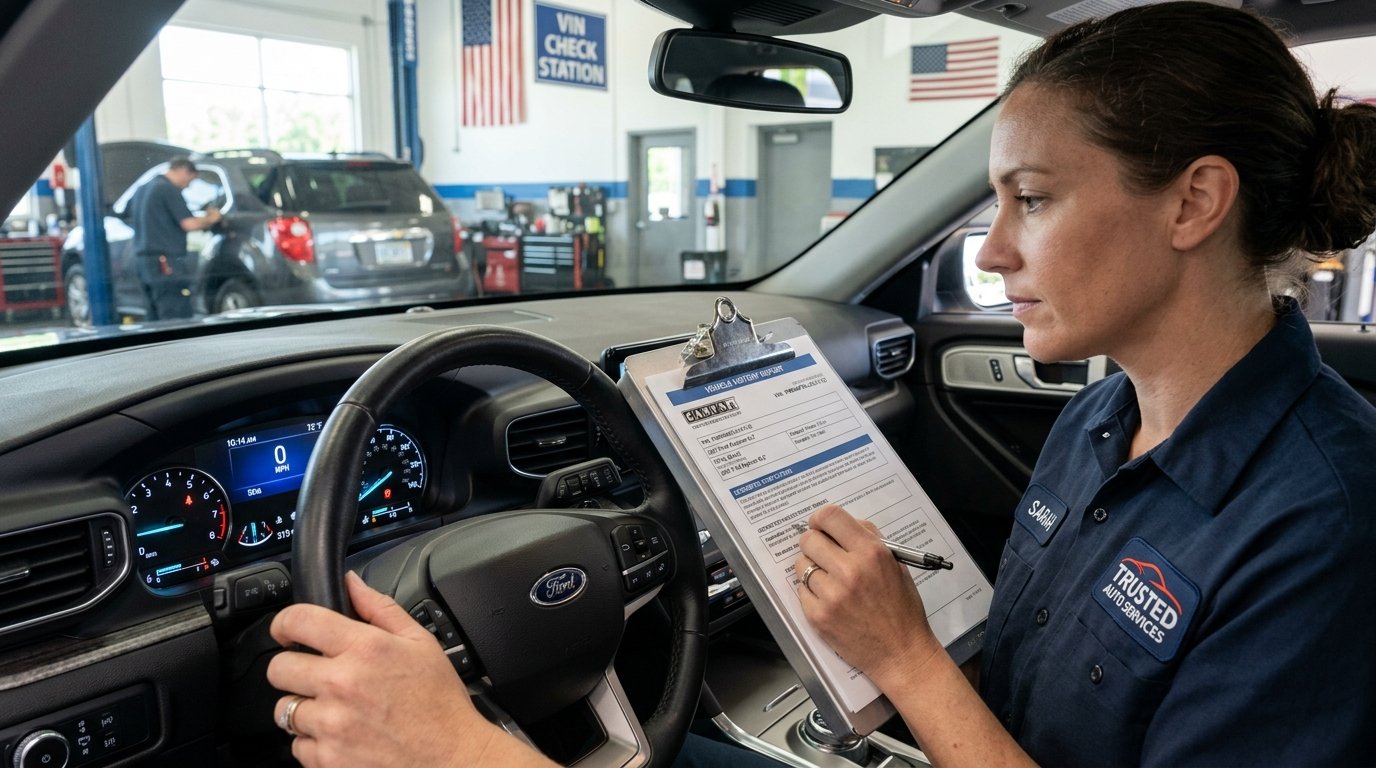
Mileage is often the first thing buyers consider when evaluating a used vehicle, but the current number glowing on the dashboard only tells part of the story. To truly understand a vehicle’s mechanical wear and verify the seller’s claims, a smart buyer must look at the vehicle’s complete mileage history rather than only the number currently shown on the dash.
What Is Odometer History?
Odometer history is the chronological record of a vehicle’s mileage over its lifespan. Every time a vehicle undergoes a major official transactionΓÇösuch as a title transfer, state safety or emissions inspection, or service at a participating dealershipΓÇöthe current mileage is documented. When compiled, these recorded mileage readings provide a clear timeline of how much the vehicle has been driven year over year.
Why Does Odometer History Matter?
Consistent mileage records help buyers confidently evaluate a used vehicle’s condition, accurate value, and potential mechanical concerns. A car driven 10,000 miles a year over ten years has predictable wear and tear compared to a car driven 50,000 miles in two years as a commercial fleet vehicle. By reviewing this history, buyers can ensure they aren’t overpaying for a vehicle that has significantly more wear than its current owner claims.
What Should You Look for in Odometer Records?
When you pull a history report, you should carefully analyze the mileage section. Pay close attention to:
- Consistent mileage progression: The numbers should increase logically and consistently as the vehicle ages.
- Dates associated with mileage readings: Look at the timeframe between readings to gauge how heavily the vehicle was driven during specific periods.
- Sudden or unexplained changes: Extreme jumps in mileage or numbers that suddenly decrease require immediate investigation.
- Mileage reported at inspections, registrations, and services: These varied sources help build a more comprehensive timeline.
- Gaps in the recorded mileage history: Years without a recorded reading could indicate a vehicle was parked, unregistered, or serviced by independent shops that do not report data.
It is important to remember that not every vehicle will have the exact same amount of mileage data available. Some vehicles may only have a few data points if they were owned by one person in a state without annual inspections.
What Is Odometer Rollback?
Odometer rollback, or odometer tampering, is the illegal act of altering a vehicle’s mileage reading to make it appear lower than it actually is. Fraudulent sellers do this to artificially inflate the vehicle’s resale value and misrepresent the actual wear and tear on the engine and transmission. While a sudden drop in recorded mileage can indicate a rollback, it is important not to make unsupported claims; a discrepancy does not automatically prove fraud or tampering, as clerical errors at a repair shop or DMV can sometimes result in incorrect data entry.
How to Check Odometer History Using a VIN
Verifying a vehicle’s mileage is straightforward if you know what a VIN is and how to use it. Here is the basic process:
- Find the vehicle’s VIN: Locate the 17-character VIN on the driver’s side dashboard or door jamb.
- Run the VIN through a vehicle-history service: Using a trusted platform like USA Auto History, perform a fast VIN search.
- Review available mileage records: Check the resulting report specifically for the odometer timeline.
- Compare the reported history: Cross-reference the timeline with the current odometer reading on the dashboard and the information provided by the seller.
Warning Signs of Possible Mileage Problems
While reviewing the used car mileage history, keep an eye out for these potential red flags:
- Mileage decreasing between two historical records.
- Large, unexplained mileage changes that don’t match the typical driving average.
- Mileage that does not match recent service or inspection records (e.g., an oil change sticker reading 80,000 miles while the dash says 60,000).
- Inconsistent information between the physical vehicle, official title documents, and history records.
- Unusual gaps in the recorded history leading up to a sudden sale.
If you encounter these warning signs, discrepancies should be investigated thoroughly rather than automatically treated as absolute proof of wrongdoing. Ask the seller for clarification or maintenance receipts.
Can a Vehicle History Report Show Every Odometer Reading?
Understanding how to read a vehicle history report means understanding its limitations. Available records vary drastically by vehicle and data source. A history report may not contain every single mileage reading or every event in a vehicle’s life, especially if the owner performed their own maintenance or lived in a state with relaxed reporting requirements.
What Else Should You Check Before Buying?
While odometer history is crucial, it is only one piece of the puzzle. When checking a vehicle’s history before buying, buyers should also rigorously review:
- Accident and damage history: Ensure you know how to check accident history on a used car to avoid hidden structural damage.
- Title and brand history: Watch out for severe warning signs like salvage or flood titles.
- Ownership history: Check how many previous owners the vehicle has had.
- Theft and recovery records: Ensure the vehicle is legally cleared for sale.
- Service and maintenance records: Look for consistent, proactive upkeep.
Ultimately, a history report is a research tool. We strongly encourage combining it with a thorough physical inspection and a professional mechanic inspection before making your final purchase.
Conclusion
Reviewing odometer history is an essential, non-negotiable step before buying a used vehicle. By examining the chronological mileage records, you can confirm the vehicle’s true condition, spot potential rollbacks, and negotiate a fair price with confidence.