When shopping for a used car, you may come across vehicles offering tempting discounts attached to a “rebuilt” title. While these cars can sometimes present a great opportunity, a rebuilt title signifies a complicated past that requires careful research before you make a purchase. Understanding exactly what this title means is critical to making a safe and smart investment.
What Is a Rebuilt Title?
A rebuilt title is an official brand placed on a vehicle’s registration document indicating that the car was previously branded as a salvage vehicle, but has since been repaired and restored to a roadworthy condition. While exact terminology and requirements can vary by state, a rebuilt title serves as a permanent legal marker of the vehicle’s history.
How Does a Vehicle Get a Rebuilt Title?
The journey to a rebuilt title usually follows a specific process:
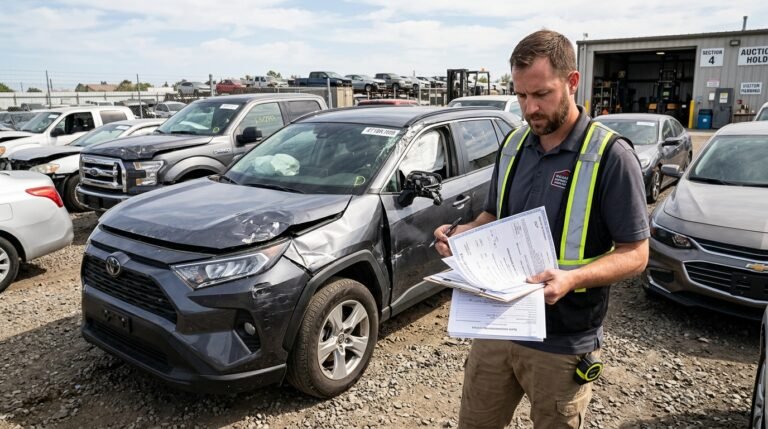
- First, a vehicle receives a salvage designation. This often occurs after severe accident damage, flood, or fire, prompting an insurance company to declare the vehicle a total loss.
- Next, the vehicle is purchased (often at a salvage auction) and undergoes extensive repairs to restore its functionality and safety.
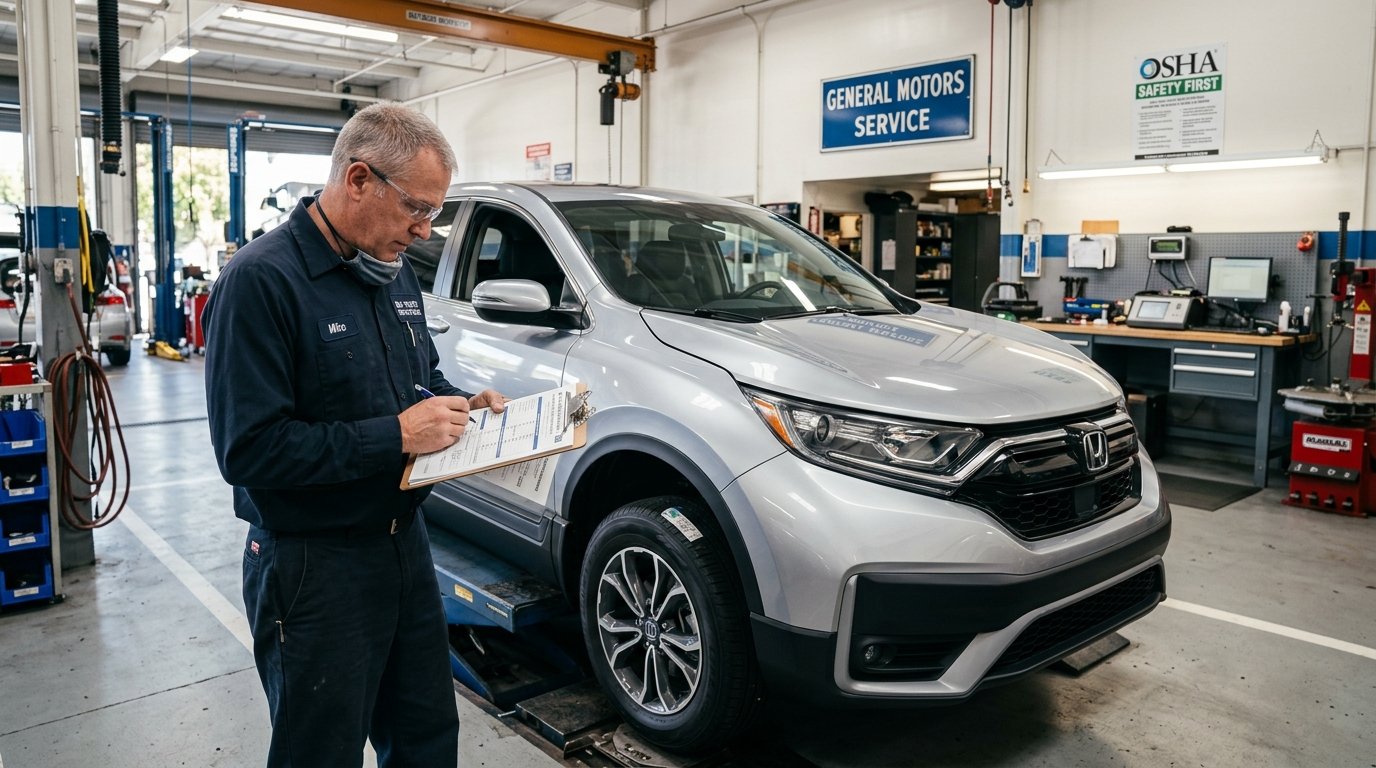
- Finally, the repaired vehicle must be inspected or otherwise processed under applicable state requirements. Once the state DMV is satisfied that the vehicle meets local safety standards, it issues a rebuilt or reconstructed title, allowing the car to be legally driven and registered again.
Salvage Title vs. Rebuilt Title
It is important to clearly understand the difference between these two brands, though it is worth noting that not every state uses exactly the same terminology or process.
- Salvage Title: Generally indicates the vehicle has been designated as a total loss or otherwise branded under applicable rules. In most states, it is illegal to drive or insure a salvage-titled vehicle for regular road use.
- Rebuilt Title: Generally indicates the vehicle was previously a salvage vehicle but has subsequently been repaired, inspected, and processed under applicable state requirements, making it street-legal once again.
What Should You Check on a Rebuilt Vehicle?
If you are considering buying a rebuilt title car, you must perform exhaustive due diligence. Be sure to check the following:
- Previous accident or damage history to understand the severity of the original incident
- Quality of repairs (ask to see repair invoices and documentation)
- Structural and frame damage that might compromise the vehicle’s safety
- Flood or fire damage where applicable
- Odometer history to ensure the mileage is accurate
- Types of parts used for repairs (Original Equipment Manufacturer vs. aftermarket)
- Inspection records from the state certification process
- Title and brand history
- Current vehicle condition, evaluated by an independent, qualified mechanic
Are Rebuilt-Titled Cars Safe to Buy?
A rebuilt vehicle is not automatically unsafe to drive, but caution is necessary. The safety of a rebuilt car depends entirely on the extent of the original damage and the quality of the repairs performed. For example, a vehicle that was totaled solely due to expensive cosmetic damage (like severe hail) may be perfectly safe once repaired. Conversely, a car that suffered severe frame damage or deep floodwater submersion might have lingering, dangerous issues. Buyers must investigate the vehicle carefully before purchasing.
What Are the Risks of Buying a Rebuilt Vehicle?
While the lower purchase price is attractive, buying a rebuilt title car introduces several potential risks:
- Hidden Damage: Poorly repaired structural issues or lingering electrical problems may not be immediately obvious.
- Insurance Limitations: Many insurance providers will only offer liability coverage for rebuilt vehicles, refusing to provide comprehensive or collision coverage.
- Financing Difficulties: Banks and lenders are often reluctant to finance rebuilt cars, meaning you may have to pay in cash.
- Lower Resale Value: When it is time to sell the vehicle, you will face a limited pool of buyers and significantly reduced trade-in offers.
- Incomplete History: It can be very difficult to determine the complete repair history or find photos of the vehicle’s condition before the repairs were made.
How to Check if a Vehicle Has a Rebuilt Title
The most effective way to check a vehicle’s title status is to use the VIN to research title and vehicle-history records before buying. At USA Auto History, our VIN search tool is designed to quickly aggregate available DMV records and industry data, allowing you to instantly verify if a car carries a rebuilt, reconstructed, or salvage brand.
What a Vehicle History Report Can Tell You
A comprehensive vehicle history report can provide crucial context about a vehicle’s past. Available title and brand information, accident and damage records, odometer readings, theft or recovery events, and ownership history can help a buyer understand exactly what they are looking at. However, it is important to make clear that available records depend strictly on the sources and jurisdictions reporting the information. A report is an invaluable tool, but it may not contain every minor event or unreported repair in a vehicle’s life.
Conclusion
Buying a rebuilt vehicle can be a viable option for budget-conscious shoppers, provided they do their homework. Emphasize understanding the vehicle’s previous history, always check the VIN for hidden records, and never skip a professional mechanical inspection before signing the paperwork.