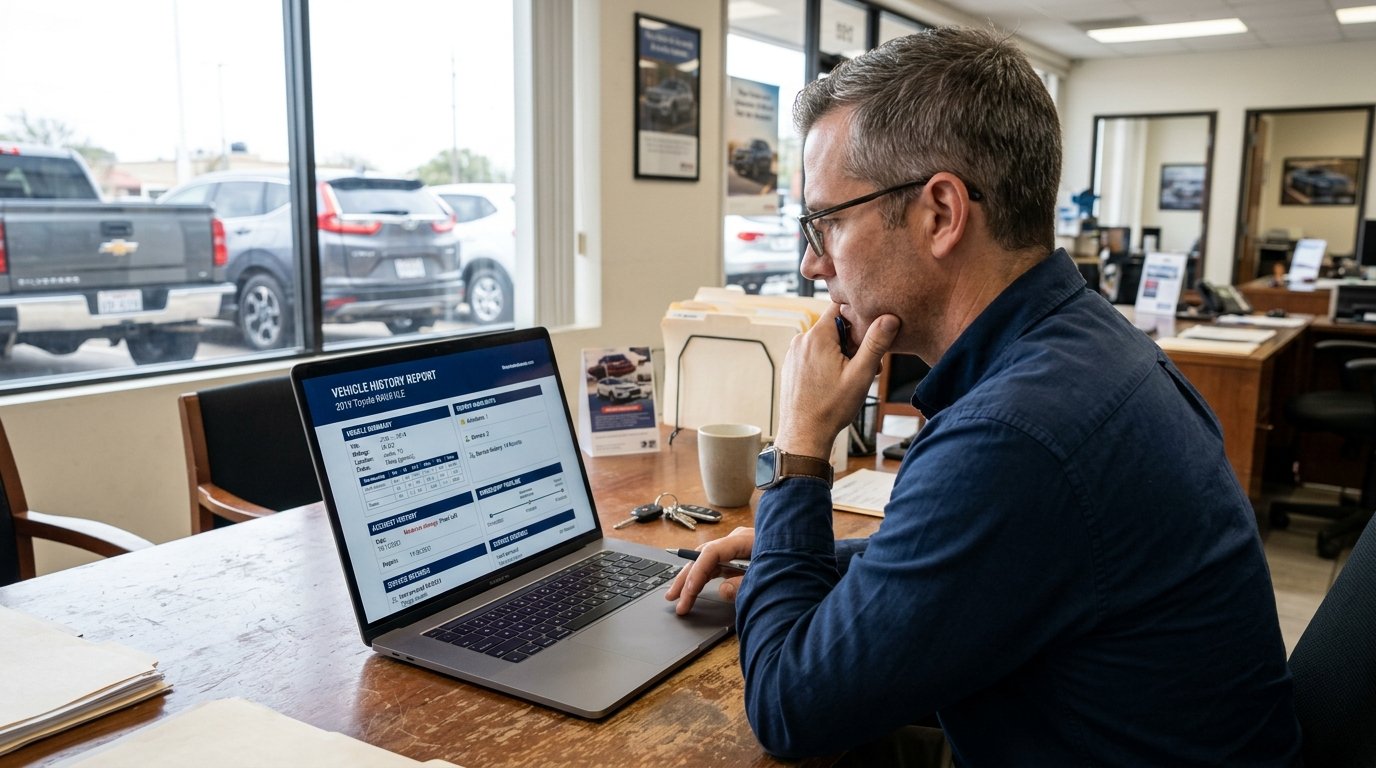
A vehicle history report is one of the most powerful tools available to a used-car buyer. While it might look intimidating at first glance, understanding how to read a vehicle history report can help you uncover a car’s hidden past, evaluate its true condition, and avoid purchasing a dangerous or overpriced vehicle. Knowing exactly what each section means empowers you to make a smart, informed decision.
What to Look for in a Vehicle History Report
Every vehicle history report is divided into standardized sections designed to highlight specific types of historical data. Here is how to understand the key sections of a vehicle history report:
Summary Section
The report usually opens with a quick summary. This section highlights major red flags at a glance, such as the total number of previous owners, the presence of a branded title, or whether any severe accidents have been reported. It is a helpful snapshot before you dive into the details.
Vehicle Information
This section confirms the exact specifications of the vehicle tied to the VIN. It includes the model year, make, specific model, trim level, engine type, and standard equipment. Always verify this information matches the physical car you are inspecting to ensure the VIN has not been tampered with.
Accident & Damage History
One of the most critical sections, this area details reported collisions, airbag deployments, and structural damage. It may indicate the severity of the damage and the point of impact. Even if a car looks perfectly repaired, accident history can significantly impact the vehicle’s safety and resale value.
Title History
Title history reveals the vehicle’s legal status over time. You want to see a “clean” title. If the report shows a salvage, rebuilt, flood, or junk title brand, it means the vehicle was previously declared a total loss by an insurance company. These vehicles often carry hidden risks and are difficult to insure.
Odometer Readings
This section tracks the recorded mileage at various points in the vehicle’s life, such as during emissions tests and registrations. Check this section to ensure the mileage increases logically over time. A sudden drop in recorded miles strongly suggests illegal odometer tampering (rollback).
Ownership History
Ownership history shows how many people have owned the vehicle, the states or provinces where it was registered, and the length of each ownership period. It will also indicate if the vehicle was used as a personal commuter, a rental car, a taxi, or a commercial fleet vehicle.
Service & Maintenance Records
When a vehicle is serviced at a participating dealership or repair shop, the maintenance is logged here. A strong history of regular oil changes, inspections, and recommended factory maintenance indicates a responsible previous owner who cared for the vehicle’s mechanical health.
Open Recalls
Manufacturers issue safety recalls to fix defective components. This section alerts you to any unresolved factory recalls. If an open recall is listed, it means a free safety repair is required and has not yet been performed on the vehicle.
Theft History
This section indicates whether the vehicle has ever been reported stolen or recovered. Purchasing a stolen vehicle can lead to it being legally confiscated from you without compensation, so a clean theft history is absolutely mandatory.
How to Use a Vehicle History Report When Buying a Used Car
Do not just skim the report; use it as a proactive pre-purchase checklist. If you see multiple owners in a short period, ask the seller why the car changes hands so frequently. If you see an accident reported, have a trusted mechanic inspect that specific area of the car for poor repair work. Furthermore, you can use the data found in the report to negotiate a fairer price if you uncover minor issues that the seller did not initially disclose.
What a Vehicle History Report Cannot Tell You
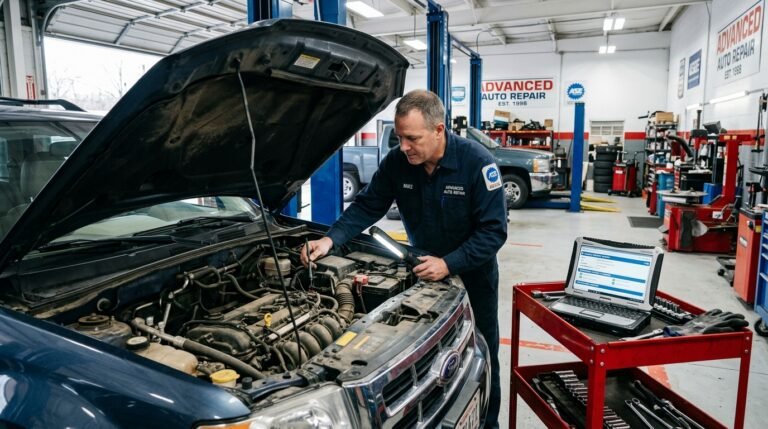
While an invaluable resource, it is crucial to understand that a vehicle history report only displays data that has been officially reported to participating databases. Minor fender benders, do-it-yourself repairs, or maintenance performed by small, independent shops may never appear on a report. Therefore, a clean report is not a guarantee of a perfect car. A report should never replace a thorough physical test drive or a comprehensive pre-purchase inspection by an independent, qualified mechanic.
Conclusion
Knowing how to read a vehicle history report transforms a simple document into a protective shield against fraud and poor investments. By carefully reviewing the accident history, title brands, odometer records, and maintenance logs, you can approach the used-car market with confidence. Always pair your history report research with a professional physical inspection to ensure you are buying a safe, reliable vehicle.