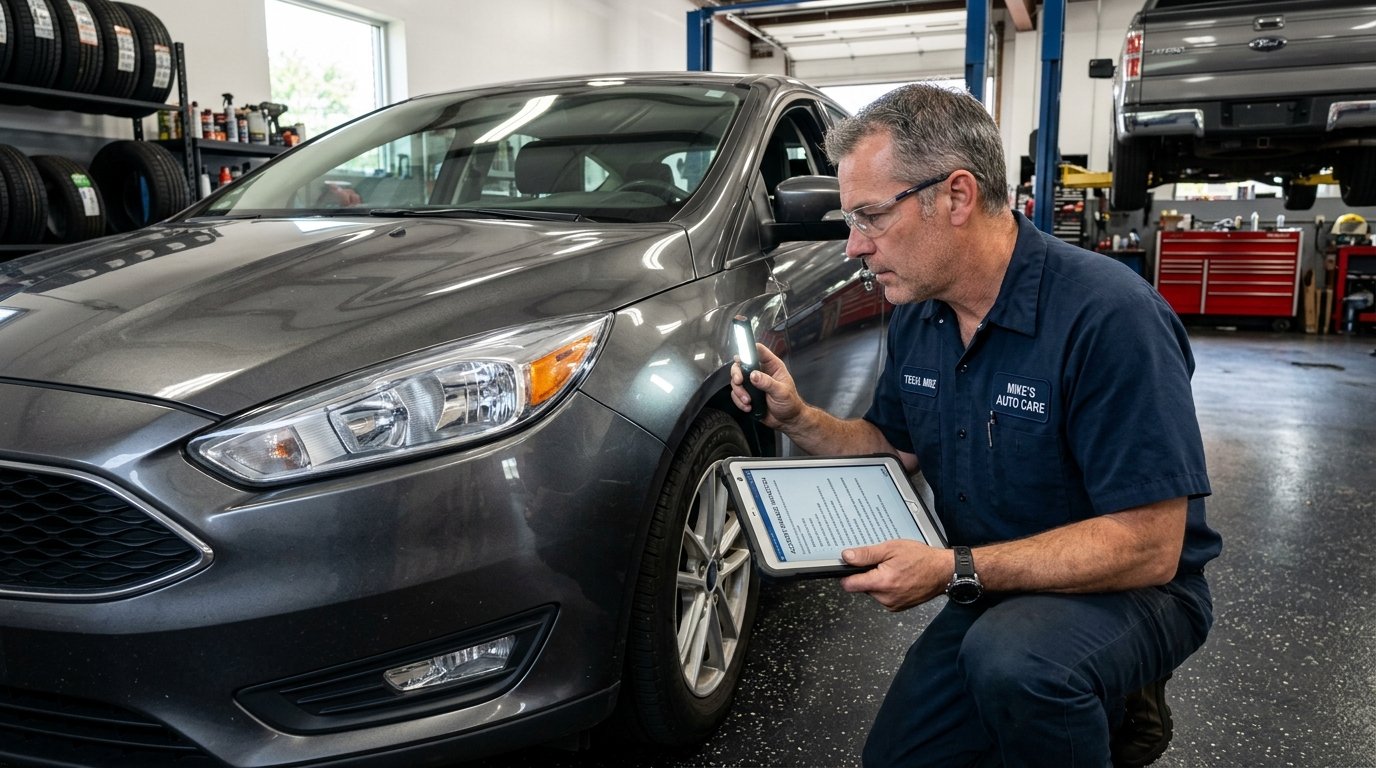
Buying a used car can be an excellent financial decision, but it always carries a degree of risk. One of the most critical steps you can take before signing any paperwork is learning how to check accident history. A car that looks flawless on a dealership lot may be hiding severe structural damage from a previous collision. Understanding a vehicle’s past is essential to ensuring you purchase a safe, reliable car.
Why Accident History Matters
Previous accidents can dramatically affect a vehicle’s current condition, overall safety, resale value, and future repair needs. Even a minor fender bender can throw off wheel alignment or damage hidden sensors. When accidents are more severe, compromised frame integrity and questionable repair quality become major concerns. By investigating the used car damage history, you can avoid overpaying for a compromised vehicle or inheriting someone else’s unsafe repairs.
What Can an Accident History Tell You?
While no database captures every incident, a vehicle history report can often provide a comprehensive view of the vehicle’s past. Available information may include:
- Reported accidents: Records of collisions reported to law enforcement or insurance agencies.
- Damage: Indications of non-collision damage, such as flood, fire, or hail.
- Accident dates: A timeline showing exactly when each incident occurred.
- Damage locations: Descriptions detailing where the vehicle was hit (e.g., front driver-side, rear bumper) when available.
- Severity information: Classifications ranging from minor cosmetic damage to severe structural impact, when reported.
- Airbag deployment: Critical safety records indicating if the airbags deployed during a crash.
- Insurance records: Information on whether an insurance company declared the vehicle a total loss, potentially leading to a salvage title or a rebuilt title.
- Repair-related records: Logs of subsequent inspections or repairs, when available.
How to Check Accident History Using the VIN
The most reliable method for uncovering accident history on a used car is performing a VIN accident check. The process is simple and straightforward:
- Find the vehicle’s VIN: Learn what a VIN is and locate the 17-character code on the dashboard or inside the driver’s side door jamb.
- Enter the VIN into a vehicle-history service: USA Auto History provides a powerful VIN search tool that instantly scans national databases.
- Review available accident and damage records: Carefully read through the generated report to identify any reported incidents.
- Compare the history with the seller’s description: Use the report to verify the seller’s claims and cross-reference the data with the vehicle’s current physical condition.
How to Read Accident Records
When you pull a vehicle accident history report, knowing what to pay attention to is just as important as running the report itself. A smart buyer should look at the complete history rather than focusing on one isolated entry. Pay attention to the number of reported incidents; a car with repeated accidents might have underlying structural weaknesses. Check the accident dates and compare them to the current ownership timeline. Review the damage descriptions and severity ratings where available, noting the specific location of the damage. Finally, look for any follow-up repair or inspection records to see if the vehicle was professionally addressed after the incident.
How to Spot Signs of Previous Accident Damage
Even if a report comes back clean, physical warning signs can indicate hidden damage. When visually inspecting a car, look for:
- Uneven panel gaps: The spaces between the doors, hood, and fenders should be uniform.
- Mismatched paint: Look closely at the paint finish in natural light to spot subtle color differences.
- Different panel finishes: Variations in paint texture, such as “orange peel,” can indicate aftermarket repainting.
- Signs of previous body repair: Check for overspray on trim pieces, window seals, or inside the wheel wells.
- Uneven tire wear or alignment concerns: This can be a sign of frame damage preventing proper wheel alignment.
- Warning lights: Dashboard lights, particularly airbag-related concerns, should never be ignored.
Because visual inspections are subjective, you should always invest in a professional pre-purchase inspection by an independent mechanic. A visual inspection alone is rarely enough to uncover expert cover-ups.
Does an Accident History Mean You Should Not Buy the Car?
Not every accident automatically makes a vehicle a bad purchase. A car that was bumped in a parking lot and received a professionally replaced bumper can still provide years of reliable service. The decision should balance the severity of the damage, the quality of the subsequent repairs, the absence of structural or frame damage, proper documentation, the vehicle’s current condition, and the asking price. If the car passes a professional inspection and is priced accordingly, it may still be a worthwhile investment.
What a Vehicle History Report Cannot Tell You
Understanding what a vehicle history report tells you also means understanding its limitations. Not every accident or repair is reported to central databases. If a previous owner backed into a pole and paid a local body shop in cash, that incident will likely never appear on any report. Available information depends heavily on the specific data sources and jurisdictions reporting the data. A clean report does not guarantee that a vehicle has never been damaged. Therefore, you must always combine the history report with a physical evaluation and a professional mechanic’s inspection.
Conclusion
Learning how to check a vehicle’s history before buying a used car is your best defense against purchasing a dangerous or overvalued vehicle. By diligently checking the VIN, reviewing the available accident history, and pairing that data with an expert mechanical inspection, you can shop with confidence and secure a reliable vehicle.