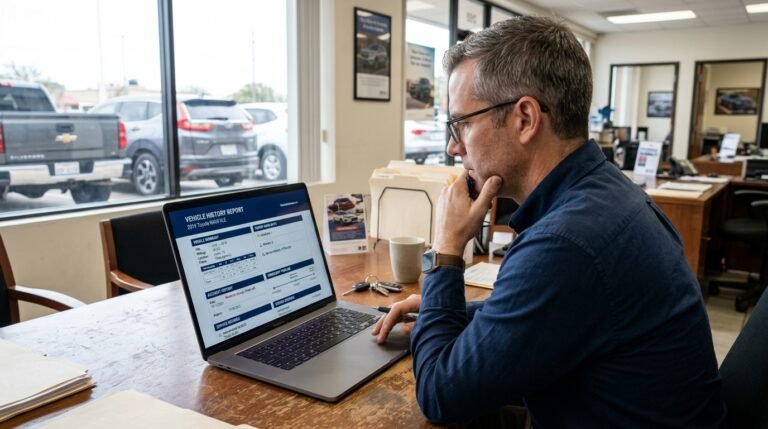
A vehicle history report can provide incredibly valuable historical records, helping buyers avoid dangerous or overpriced vehicles. However, while these reports are an essential part of the buying process, they cannot show everything about a vehicle’s current condition or its complete past. Understanding these limitations is critical to making a truly informed decision.
What a Vehicle History Report Can Tell You
Before examining the limitations, it is helpful to establish what these reports are actually useful for. Depending entirely on the vehicle, the specific data sources, and the jurisdictions involved, a history report may provide:
- Accident or damage records
- Title and brand history (such as determining what a salvage title means or identifying a rebuilt title)
- Odometer records and potential rollback alerts
- Ownership history
- Theft or recovery records
- Service or maintenance records
- Other officially reported events
It is crucial to remember that available information varies wildly depending on the vehicle, the reporting source, and whether the records were successfully transmitted and received.
What a Vehicle History Report Cannot Tell You
The core limitation of any history report is that it is strictly based on available recorded data. It is a historical document, not a live, complete physical inspection of the vehicle. Here is what a vehicle history report cannot reliably tell you:
The VehicleΓÇÖs Current Mechanical Condition
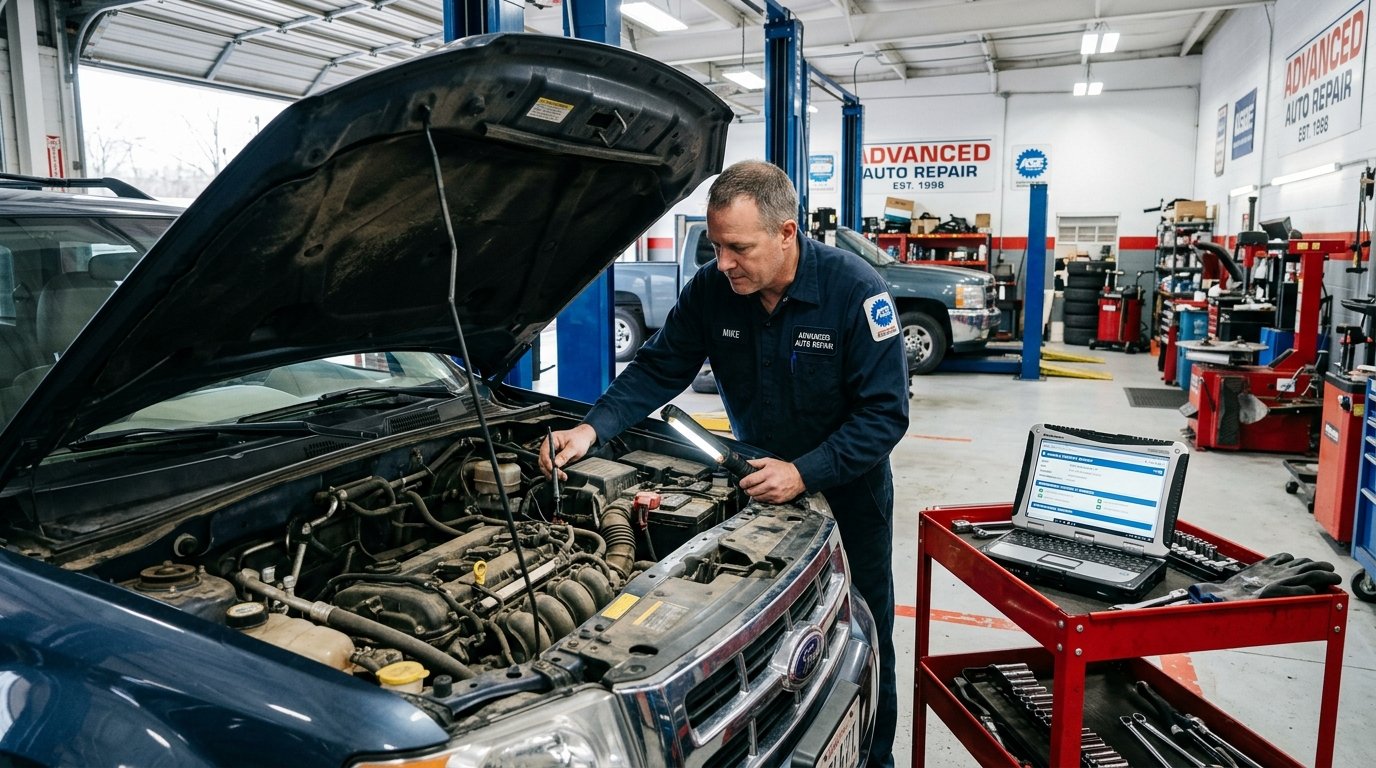
A report generally cannot determine the vehicle’s present mechanical condition. It will not tell you if the engine is currently misfiring, if the transmission is slipping, or if the suspension is dangerously worn. Current fluid leaks, brake condition, and battery health are entirely omitted from historical data. A professional inspection is the only way to evaluate these areas properly.
Every Accident or Damage Event
An accident or damage event may not appear if it was never officially reported to a source included in the report. For example, if a previous owner hit a pole and paid a local body shop in cash to fix it without involving the police or insurance, that damage will likely never be recorded. Therefore, a history report cannot detect every accident. For more context, read our guide on how to check accident history on a used car.
The Quality of Previous Repairs
While a report may indicate that an accident occurred, it generally cannot determine whether the subsequent repair was performed correctly or to a professional standard. A physical inspection is required to identify poor panel alignment, obvious paint differences, improper structural repairs, or evidence of cheap replacement parts.
Hidden Mechanical or Electrical Problems
Intermittent electrical faults, deep mechanical wear, and complex diagnostic issues rarely appear in historical records. A vehicle can boast a pristine, clean-looking history report while simultaneously harboring thousands of dollars in current mechanical or electrical problems.
Every Service or Maintenance Event
Not every oil change, brake job, or repair visit will appear in available records. Many independent mechanics, quick-lube shops, and DIY vehicle owners do not report service data to national databases. Do not imply that a lack of service records automatically means the vehicle was severely neglected.
The VehicleΓÇÖs Actual Condition Today
A history report primarily describes recorded history, not a complete assessment of the vehicle’s present physical condition. The exact same vehicle can have a favorable, mostly clean history but still be in desperate need of significant maintenance today due to recent neglect or simple age.
How the Vehicle Was Driven or Treated
Historical records generally cannot fully show how previous owners drove or cared for the vehicle on a daily basis. You cannot determine from a piece of paper if the car was subjected to aggressive driving, frequent short trips, heavy towing, harsh off-road operating conditions, or general interior neglect.
Problems That Have Not Been Reported
Ultimately, the most important limitation is that a report strictly depends on available data. If an event, failure, or problem was never reported to a participating source, it simply will not appear on the document.
Why a Clean Vehicle History Report Does Not Guarantee a Perfect Car
It is vital to understand that a “clean history” and “good current condition” are not the same thing. A clean report simply means there are no officially reported records indicating certain major problems. It does not guarantee that the vehicle has never been damaged, has zero mechanical issues, or requires no immediate repairs. Buyers must keep their expectations balanced and factual.
What You Should Do After Checking the Vehicle History
Once you understand how to read a vehicle history report and recognize its limitations, you should follow a practical next-step checklist before handing over your money:
- Verify the VIN: Ensure the documents match the physical car (learn what a VIN is and why it is important).
- Review the vehicle history report: Check for major red flags.
- Check the title and documents: Ensure legal ownership can be transferred.
- Inspect the exterior: Look for visual damage or rust.
- Inspect the interior: Check electronics, odors, and wear.
- Check warning lights: Ensure no critical system faults are active.
- Take a proper test drive: Listen and feel for mechanical issues.
- Have an independent mechanic perform a pre-purchase inspection: This is the ultimate defense against hidden problems.
- Confirm the purchase paperwork: Review all sales documents thoroughly.
For a detailed breakdown of these steps, reference our comprehensive used car buying checklist.
Check the Vehicle History Before You Buy
Despite its limitations, checking the VIN and reviewing available vehicle-history records remains one of the most important steps you can take before buying a used vehicle. A report often reveals deal-breaking title brands or odometer discrepancies that you could never spot with the naked eye. Use our VIN search tool below to review available records and start your research on the right foot.
Conclusion
A vehicle history report is a crucial research tool, but it is only one part of a comprehensive used-car buying process. Smart buyers should always combine historical records with a thorough physical inspection, a demanding test drive, strict document verification, and a professional mechanical inspection when appropriate.