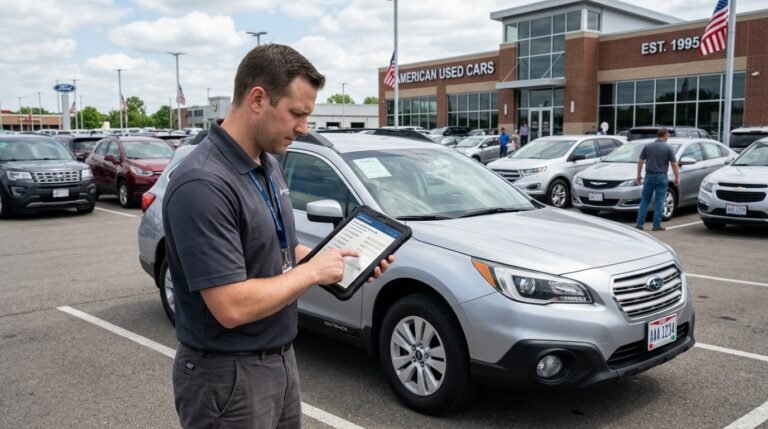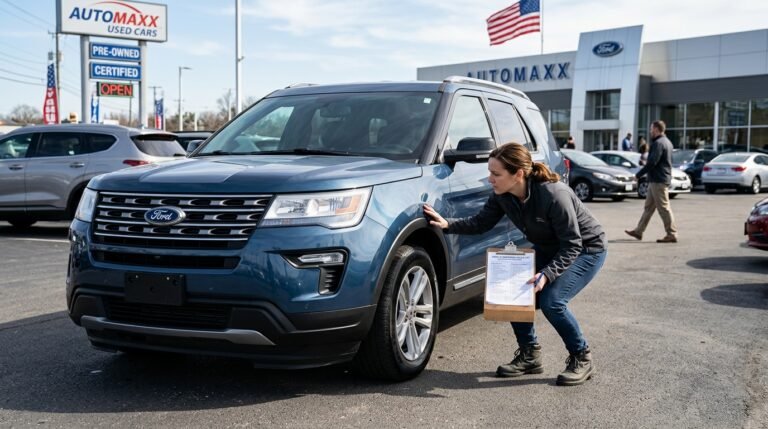
Buying a used car can be a great way to save money, but a vehicle that has been damaged by flooding can hide serious problems beneath a clean exterior. Water can damage electrical systems, corrode metal components, affect safety features, and lead to mechanical issues that appear weeks or months after purchase.
The signs of flood damage in a car are not always obvious. A vehicle may have a clean interior, fresh carpeting, and a normal-looking title even if it was previously exposed to floodwater. That is why checking the vehicle’s physical condition and history before buying is so important.
In this guide, you’ll learn how to spot flood damage, check a car’s VIN and title history, recognize possible title washing, and protect yourself before purchasing a used vehicle in the United States.
Quick Answer: What Are the Signs of Flood Damage in a Car?
Common signs of flood damage include:
- A musty, moldy smell or an unusually strong fragrance used to cover odors
- Water stains, mud, sand, or silt under carpets and floor mats
- Rust on interior screws, seat rails, connectors, or other areas that normally remain dry
- Moisture or fogging inside headlights, taillights, or instrument displays
- Damp carpeting, unusual upholstery, or recently replaced interior materials
- Mud or debris inside the trunk, spare-tire well, or under the dashboard
- Electrical problems involving windows, lights, sensors, or dashboard warnings
- A title-history discrepancy or a seller who cannot explain the vehicle’s past
One warning sign alone does not prove that a car has flood damage. However, multiple signs should prompt further investigation. Before buying, review the vehicle’s history, verify its title records, and arrange an independent inspection by a qualified mechanic.
1. Check for Musty Smells and Unusual Odors
Your first inspection can begin as soon as you open the car door.
A musty, damp, or moldy smell may indicate that water has remained inside the vehicle. Floodwater can soak carpets, upholstery, foam padding, insulation, and other materials that are difficult to dry completely.
Pay particular attention to the smell inside the cabin and trunk.
You should also be cautious if the car has an unusually strong smell of perfume, air freshener, disinfectant, or cleaning chemicals. Sellers often clean used vehicles before showing them, which is normal. However, an unusually strong fragrance combined with other signs of moisture could indicate an attempt to mask a problem.
What should you do?
Open the doors and let fresh air enter the cabin. Check whether the smell persists around the carpets, seats, trunk, and footwells.
Do not rely on smell alone. A poorly maintained vehicle may smell musty without having been flooded, while a professionally cleaned flood-damaged vehicle may have little noticeable odor.
Treat unusual smells as a reason to inspect further rather than as proof of damage.
2. Inspect the Carpets, Floor Mats, and Upholstery
The interior can reveal clues that are not visible from the outside.
Floodwater may leave behind mud, silt, water stains, mildew, or unusual discoloration. Look closely at areas that are difficult to clean thoroughly, especially under removable floor mats and beneath the edges of the carpeting.
Check for:
- Brown or gray water stains on the carpet
- Mud, sand, or fine sediment beneath floor mats
- Damp padding or carpeting
- Mismatched carpet colors between different areas of the cabin
- Upholstery that looks unusually new for the car’s age
- Loose carpeting or signs of recently removed interior trim
New carpeting does not automatically mean the vehicle was flooded. Owners may replace worn or damaged interiors for legitimate reasons. The concern is a combination of recent interior replacement, unexplained odors, water marks, and inconsistent maintenance records.
If the seller permits it, inspect accessible areas beneath removable floor mats and trunk panels. Do not dismantle interior parts without permission.
Check the trunk and spare-tire well
The trunk is another useful inspection area because water and debris may collect in low spots.
Lift the trunk mat if permitted and look for moisture, rust, mud, water stains, or an unusual odor around the spare-tire well.
Compare the condition of these areas with the rest of the vehicle. If the cabin appears freshly detailed but hidden storage areas contain mud or corrosion, investigate the discrepancy before proceeding.
3. Look for Rust in Unusual Places
Surface rust can occur on an older vehicle for many reasons. More concerning is corrosion in places that normally remain protected from water.
During your inspection, look at accessible areas such as:
- Seat mounting bolts and metal seat rails
- Interior screws and brackets
- Door interiors and lower door areas
- Electrical connectors and exposed metal fittings
- The spare-tire compartment
- Accessible sections beneath the dashboard
A vehicle exposed to floodwater may develop corrosion around components that are not usually exposed to moisture.
However, rust is not conclusive evidence of flooding. Climate, road salt, condensation, age, and previous repairs can also cause corrosion.
Look for patterns. Rust in several protected interior locations, combined with water stains or electrical issues, is more concerning than a small isolated rust spot on an older vehicle.
If you see significant corrosion around electrical connections or safety-related components, have the car evaluated by a qualified technician.
4. Examine the Headlights, Taillights, and Dashboard
Water intrusion can affect lighting assemblies, instrument displays, and electronic components.
Inspect the headlights and taillights for unusual moisture, water droplets, or persistent fogging inside the housing. Temporary condensation can occur under certain weather conditions, so one observation does not establish flood damage.
Inside the car, turn on the ignition and observe the instrument cluster. Look for warning lights, flickering displays, unusual messages, or instruments that do not behave as expected.
Where safe and appropriate, test basic electrical equipment, including:
- Power windows and door locks
- Interior lights
- Dashboard displays
- Exterior lights and turn signals
- Infotainment and climate controls
- Other accessible electronic functions
A seller should not be expected to let a buyer perform invasive electrical tests. A professional inspection is the right next step if anything appears abnormal.
Important: A car can start and drive normally while still having corrosion or hidden electrical damage. Water-related problems may become apparent only after further use.
5. Check the Seat Belts and Areas Beneath the Seats
Seat belts and the area around seat mounts can offer additional clues during a used-car inspection.
Pull the seat belts out slowly, where permitted, and inspect the accessible webbing for unusual stains, mildew, or debris. Check the lower seat areas for mud, water marks, or signs of recent cleaning.
If the vehicle’s design allows a safe visual inspection, look for suspicious corrosion on exposed seat rails and mounting hardware.
Do not disassemble seat-belt retractors, airbags, or other safety components yourself. These systems can be dangerous to work on and should be inspected by a qualified professional.
If the seat-belt fabric is stained or damaged, or the seat mounting hardware appears severely corroded, ask the seller for an explanation and seek an independent inspection.
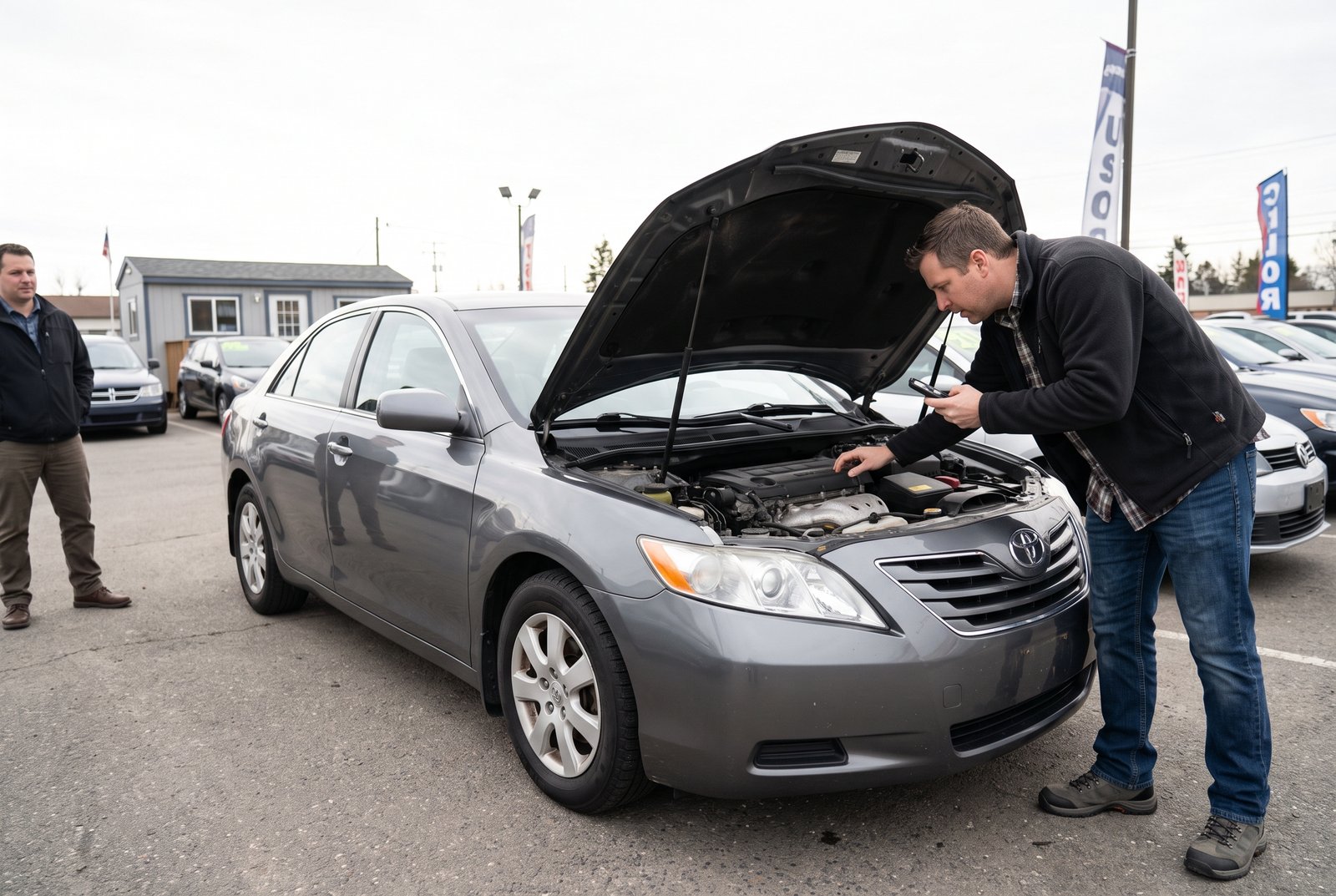
6. Inspect the Engine Bay and Other Accessible Components
Floodwater can affect more than the passenger cabin. Depending on how deeply and how long the vehicle was submerged, it may damage electrical connections, mechanical systems, and other components.
With the engine switched off and the vehicle safely parked, look for visible mud, silt, corrosion, or unusual debris in accessible parts of the engine compartment.
Pay attention to signs around wiring, connectors, and exposed components that appear inconsistent with the vehicle’s age and maintenance history.
Do not touch hot components, exposed wiring, or damaged electrical equipment.
A visual inspection cannot establish the condition of the engine or transmission. Water contamination, internal corrosion, and other damage may not be obvious without specialist testing.
What if the car runs perfectly?
Do not assume that a normal test drive rules out flood damage. A vehicle may operate normally immediately after cleaning or repairs, while corrosion and electrical faults develop later.
If the car has suspicious history or physical warning signs, have a qualified mechanic perform a more detailed inspection before buying it.
7. Check the VIN for Flood Damage and Salvage Records
A physical inspection is important, but you should also investigate the vehicle’s history.
The Vehicle Identification Number (VIN) is a unique identifier used to identify a vehicle. In most modern U.S. passenger vehicles, it contains 17 characters.
Before ordering a report, make sure the VIN entered is accurate and matches the number displayed on the vehicle and its documents.
You can start with three types of checks.
A. Use a VIN decoder
A VIN decoder helps interpret identification details associated with the vehicle, such as its manufacturer, model information, and other available specifications.
It is a useful first step, but a VIN decoder by itself does not establish whether the vehicle was flooded.
You can begin with the US Auto History free VIN decoder.
[Internal link: Add your US Auto History free VIN decoder URL here.]
B. Check NICB VINCheck
The National Insurance Crime Bureau (NICB) offers a free VINCheck service:
The service checks participating insurance-company records for vehicles reported as stolen but not recovered, or reported as salvage or flood-damaged.
There is an important limitation: NICB VINCheck is not a complete vehicle history report. It does not search every record or every insurer, and a vehicle may have sustained flood damage without that damage appearing in the database.
A result showing no record is therefore not proof that a vehicle has never been flooded.
C. Review the vehicle’s title history
For another layer of protection, review the vehicle’s title and brand history.
The National Motor Vehicle Title Information System (NMVTIS) provides consumers with access to information about vehicle title history, title brands, recent reported odometer readings, and certain other records through approved reporting services.
Official consumer information is available here:
https://vehiclehistory.bja.ojp.gov/nmvtis_consumers
A title or history check may reveal a flood, salvage, junk, or other brand when that information has been reported and is available.
For a broader investigation, you can also review the available information in a US Auto History vehicle history report.
[US Auto History vehicle history report]
Check the actual report coverage before relying on it. Different services use different data sources, and no single report is guaranteed to include every flood, repair, insurance claim, or ownership event.
8. Understand Flood Titles and Title Washing
One of the biggest risks when buying a flood-damaged car is assuming that a clean-looking title means the vehicle has never been flooded.
Vehicle title laws and terminology vary by state. Depending on the circumstances and applicable rules, a seriously damaged car may receive a salvage, flood, or other branded title.
But not every flood-damaged car will necessarily have a flood brand on its current title.
What is title washing?
Title washing is the process of concealing a vehicle’s adverse title history, often by moving it between jurisdictions and exploiting differences in title practices or reporting.
For example, a car badly damaged in a flood may be cleaned and moved to another state before being offered for sale. A buyer who checks only the current paper title may not see the full history.
NMVTIS is designed to help make vehicle brand histories more visible across state lines, but data gaps and reporting limitations can still occur.
How can you protect yourself?
Before buying:
- Review the title and any available previous title records.
- Check for flood, salvage, junk, and other relevant brands.
- Compare the VIN on the vehicle with the documentation.
- Investigate unexplained gaps or changes in the title history.
- Ask the seller directly about previous flood exposure and major repairs.
- Obtain an independent inspection if any part of the history is uncertain.
A clean current title is only one piece of evidence. It should not override suspicious physical signs or conflicting historical information.
For more detail on title brands, read our guide:
[What Does a Salvage Title Mean?]
9. Watch for Seller Warning Signs
The seller’s behavior can also help you decide whether to continue investigating a vehicle.
Be cautious if a seller:
- Refuses to provide the VIN before the sale
- Will not allow a reasonable independent inspection
- Gives conflicting explanations about the vehicle’s history
- Cannot explain recent carpet or upholstery replacement
- Avoids questions about previous damage or insurance claims
- Pressures you to pay immediately
- Offers a price that seems unusually low without a convincing explanation
- Presents paperwork that does not match the vehicle
None of these behaviors proves that a car has been flooded. However, a seller who refuses basic verification can make it difficult to assess the risk.
Ask clear questions and compare the answers with the documents and the vehicle’s condition.
If important information cannot be verified, walking away is often safer than accepting an unexplained risk.
10. Get an Independent Mechanic’s Inspection
A vehicle history report and your own visual inspection are useful starting points, but neither can identify every mechanical or electrical issue.
Before paying for a used vehicle with suspicious flood-damage indicators, arrange an independent inspection with a qualified mechanic.
Explain why you are concerned and ask the mechanic to pay particular attention to:
- Water intrusion and corrosion
- Electrical connectors and electronic systems
- Engine and transmission condition
- Signs of contaminated fluids where relevant
- Braking and steering systems
- Airbag and other safety-system warnings
- Evidence of repairs that may have concealed previous damage
The inspection should be appropriate for the specific vehicle and any suspected exposure. Additional testing may be needed if the vehicle was submerged or has signs of internal contamination.
A mechanic may not be able to establish the vehicle’s entire history from an inspection. That is why physical examination and record checks work best together.
If the seller refuses an independent inspection, reconsider whether the vehicle is worth the risk.
Flood-Damage Inspection Checklist
Before buying a used car, use this checklist to help organize your inspection.
- Check for mold, musty smells, or unusually strong cleaning fragrances.
- Inspect the carpets, floor mats, and upholstery for stains or mud.
- Look inside the trunk and spare-tire well for debris or moisture.
- Check accessible interior hardware for unusual corrosion.
- Inspect lights and instrument displays for abnormal moisture or behavior.
- Look for suspicious signs around seat belts and seat mounts.
- Check accessible engine-bay areas for mud or corrosion.
- Verify that the VIN matches the vehicle’s paperwork.
- Check NICB VINCheck for available theft, salvage, and flood records.
- Review the title and broader vehicle history.
- Ask the seller about flood exposure and major repairs.
- Arrange an independent professional inspection when warranted.
This checklist cannot guarantee that a vehicle is free of flood damage. Its purpose is to help you identify warning signs and decide when further investigation is necessary.
Frequently Asked Questions About Flood-Damaged Cars
What are the most common signs of flood damage in a car?
Common signs include musty odors, water stains, mud beneath carpeting, unusual corrosion on interior hardware, moisture inside lighting assemblies, and unexplained electrical problems. Multiple warning signs together deserve closer investigation.
Can a flood-damaged car have a clean title?
Yes. A vehicle can have flood damage that was never reported to an insurer or properly reflected in available title records. Differences in state reporting and title practices can also complicate the history. Check available records and inspect the vehicle rather than relying on the current title alone.
How do I check if a car was flooded by VIN?
Start with a VIN decoder to identify the vehicle, then check NICB VINCheck and review the vehicle’s title history through an appropriate reporting service. A comprehensive vehicle history report may provide additional information, depending on its sources. No single search can guarantee that every flood event will be found.
Is NICB VINCheck a complete vehicle history report?
No. NICB VINCheck checks participating insurance-company records for certain theft, salvage, and flood-related information. It does not cover every insurer, record, or type of damage. A result with no reported issue does not guarantee a clean vehicle history.
Can you tell if a car has flood damage just by looking at it?
Sometimes, but not always. Water stains, sediment, corrosion, and unusual odors may provide clues. Thorough cleaning or repairs may conceal visible evidence, and internal damage may not be noticeable during a casual inspection. Use physical checks, historical records, and professional evaluation together.
Is it safe to buy a flood-damaged car?
That depends on the extent of damage, the quality of repairs, the vehicle’s present condition, and its title status. Floodwater can affect electrical and safety-related systems in ways that are difficult to evaluate without testing. Do not buy a vehicle with suspected significant flood damage without an independent assessment and a clear understanding of its history.
Can a vehicle history report prove that a car was never flooded?
No. A report can reveal information present in its underlying records, but it cannot prove that unreported events never happened. Treat a report as one source of evidence, not as a guarantee.
Should I walk away from a used car with signs of flood damage?
If the seller cannot explain multiple warning signs, the title history is inconsistent, or an independent mechanic identifies significant problems, walking away may be the safest decision. Do not let an attractive price pressure you into accepting risks you cannot evaluate.
Final Thoughts
Flood damage can remain hidden long after a vehicle has been cleaned and prepared for sale. What looks like a good deal today could lead to costly electrical problems, corrosion, or safety concerns later.
Before buying a used car, inspect the interior and accessible mechanical areas, verify the VIN, check available theft and title records, and ask the seller direct questions about previous damage. If something does not add up, arrange an independent inspection before making a decision.
Start your vehicle history check with US Auto History. Use the free VIN decoder to investigate the vehicle’s identification details, then review the available information through a vehicle history report.
US Auto History free VIN decoder
US Auto History vehicle history report
A little research before the purchase can help you identify warning signs, ask better questions, and make a more informed decision.
Official Resources
- Federal Trade Commission: Avoid a Flood-Damaged Used Car
- National Insurance Crime Bureau: Free VINCheck
- National Insurance Crime Bureau: Buying a Used Vehicle
- U.S. Department of Justice: NMVTIS Consumer Information
This article provides general educational information and is not a substitute for an independent vehicle inspection or official title verification. Record availability, title terminology, and legal requirements vary by state.