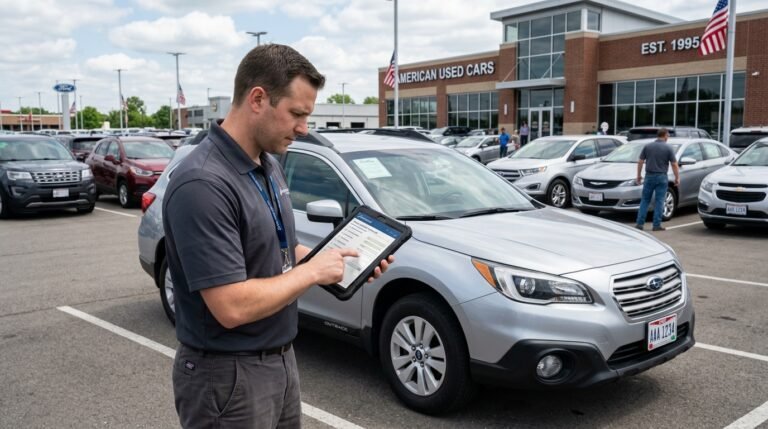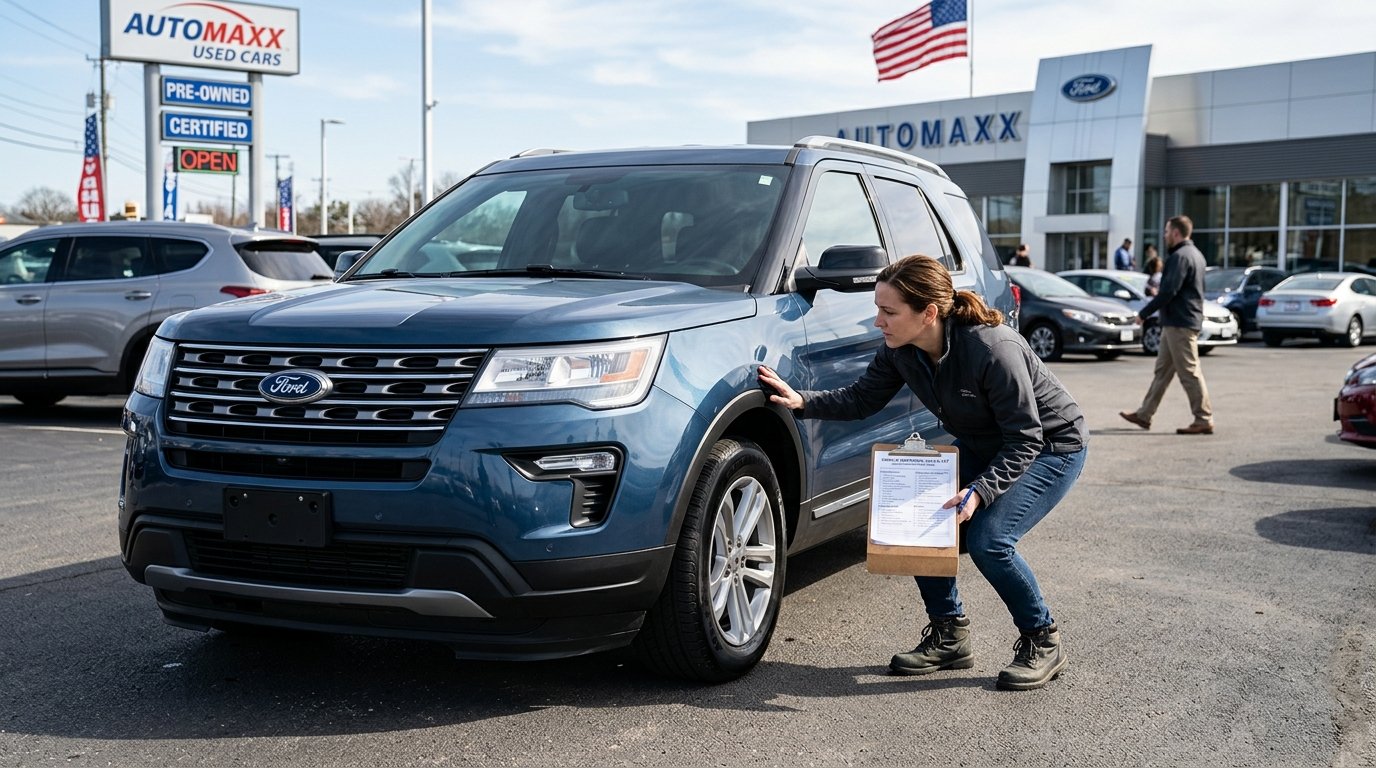
Buying a used vehicle can be overwhelming, but following a structured used car buying checklist ensures you don’t miss crucial warning signs. Inspecting a car is not just about kicking the tires; it is about verifying the history, documentation, and mechanical condition to guarantee you make a safe, smart investment.
Used Car Buying Checklist
1. Check the VehicleΓÇÖs VIN
The first step in any used vehicle inspection is verifying the Vehicle Identification Number (VIN). Check that the VIN stamped on the dashboard matches the VIN listed on the driver’s side door jamb, the vehicle title, and the registration documents. A mismatched VIN is a massive red flag for fraud or theft. If you are unsure where to look, learn what a VIN is and why it is important before proceeding.
2. Review the Vehicle History
Before negotiating a price, pull the vehicle history report. This report is your window into the car’s past. Look for:
- Accident and damage records
- Title and brand history
- Odometer records
- Ownership history
- Theft and recovery records when available
- Service and maintenance records when available
Keep in mind that these records vary by vehicle and reporting source. For a deeper dive, read our guides on how to read a vehicle history report and what a vehicle history report tells you.
3. Check for Accident or Damage Signs
During your visual inspection, keep an eye out for physical indicators of previous damage:
- Uneven panel gaps between doors, hoods, and fenders
- Mismatched paint colors
- Different paint textures (like “orange peel”)
- Signs of repaired or replaced body panels
- Frame or structural concerns, such as bent components underneath
- Warning lights or damaged safety equipment
- Water or flood damage indicators, such as musty smells or silt under the carpets
Remember that a visual inspection cannot detect every accident or repair. You can learn more about how to check accident history on a used car for better peace of mind.
4. Check the Title and Vehicle Status
Always examine the physical title. A “clean” title generally means the vehicle has not been declared a total loss. However, you may encounter branded titles. Make sure you understand what a salvage title means (indicating a total loss declaration) and what a rebuilt title is (indicating the vehicle was previously salvaged but repaired and inspected). Requirements for these titles vary by state, so do not assume every branded-title vehicle is completely unsafe or impossible to register, but approach them with caution.
5. Verify the Odometer and Mileage
Compare the current odometer reading glowing on the dashboard against previous recorded mileage on the vehicle history report, service records, and inspection/registration documents when available. Unexpected mileage changes or long gaps in the history can indicate tampering. Understanding why odometer history matters helps you avoid buying a car with a rolled-back odometer.
6. Inspect the Exterior
Take a slow walk around the vehicle and check:
- Body panels for dents or deep scratches
- Paint condition
- Glass for cracks or chips
- Headlights, taillights, and turn signals to ensure they function properly
- Tires and wheels for curb rash or damage
- The undercarriage and wheel wells for rust or corrosion
- Signs of previous, poorly executed repairs
7. Inspect the Interior
Sit inside the car and test all interior features:
- Seats and upholstery for tears or excessive wear
- Dashboard functionality and warning lights
- Air conditioning and heating systems
- Windows, locks, and sunroofs
- The infotainment system and speakers
- Seat belts for fraying or retraction issues
- Unusual odors or lingering signs of water damage
8. Check Under the Hood
Open the hood and perform basic checks:
- Fluid leaks underneath or on the engine block
- Condition of the engine oil, coolant, and transmission fluid
- Battery condition and terminal corrosion
- Visible belts and hoses for cracking or fraying
- Listen for unusual knocking, ticking, or squealing noises while the engine is running
While these basic checks are helpful, a professional mechanic should always perform a deeper mechanical inspection.
9. Inspect the Tires and Brakes
Check the tire wear and ensure the tread depth is safe and legal. Uneven wear can indicate alignment issues or suspension problems. Test the brakes during your drive, feeling for vibrations, grinding noises, or pulling to one side, which signify that additional maintenance is needed.
10. Take the Car for a Test Drive
A comprehensive test drive is non-negotiable. Pay attention to:
- Cold-start behavior when possible (ask the seller not to warm the car up before you arrive)
- Engine and transmission response during acceleration and shifting
- Steering responsiveness and tracking (does the car pull to one side?)
- Braking performance
- Suspension comfort over bumps
- Unusual vibrations or noises at various speeds
- Whether any warning lights illuminate during the drive
- Overall driving feel and comfort
11. Check Recalls and Safety Information
Buyers should check for open safety recalls using the manufacturer’s website or official government resources (like the NHTSA) when available. Keep in mind that a standard vehicle history report does not necessarily contain every active recall.
12. Get a Professional Pre-Purchase Inspection
Never skip an independent, professional pre-purchase inspection. A qualified mechanic can put the car on a lift and uncover hidden mechanical issues, fluid leaks, or structural problems that basic visual inspections and history records may not reveal.
What to Check Before You Pay
Before handing over any money, use this final summary checklist:
- VIN verified against all documents
- Vehicle history reviewed thoroughly
- Title and legal status verified
- Accident and damage history reviewed
- Odometer and mileage checked for consistency
- Exterior fully inspected
- Interior fully inspected
- Basic mechanical condition checked under the hood
- Tires and brakes checked
- Comprehensive test drive completed
- Safety recalls checked
- Independent pre-purchase inspection completed
- Final price and all paperwork reviewed carefully
Don’t Rely on a Used Car Checklist Alone
A checklist is an invaluable tool for organizing the buying process, ensuring you don’t skip critical steps under pressure. However, it does not replace the hard facts found in a vehicle history report, rigorous document verification, a thorough test drive, or a professional mechanic’s inspection.
Check the Vehicle History Before You Buy
Entering the VIN into a trusted database can help a buyer review available vehicle-history information before committing to a purchase. This simple step can save you from buying a vehicle with a dangerous past. Check your vehicle’s history using our search tool below to uncover vital records.
Conclusion
Purchasing a used car requires diligence, patience, and a methodical approach. By using this used car buying checklist to verify the vehicle’s history, mechanical condition, title, mileage, and paperwork, you protect yourself from expensive surprises and drive away with confidence.