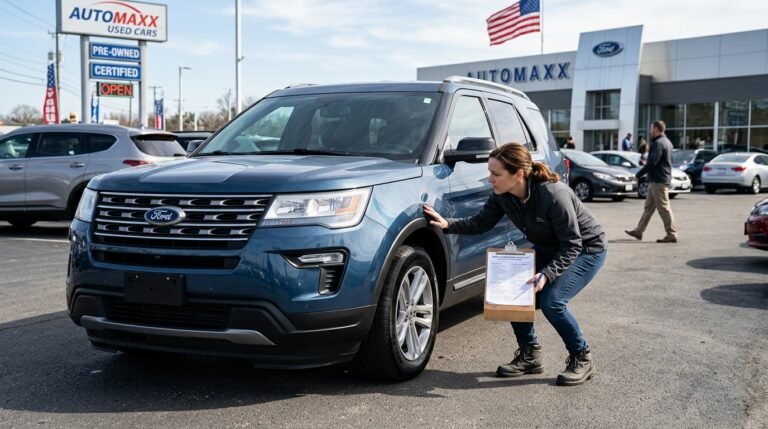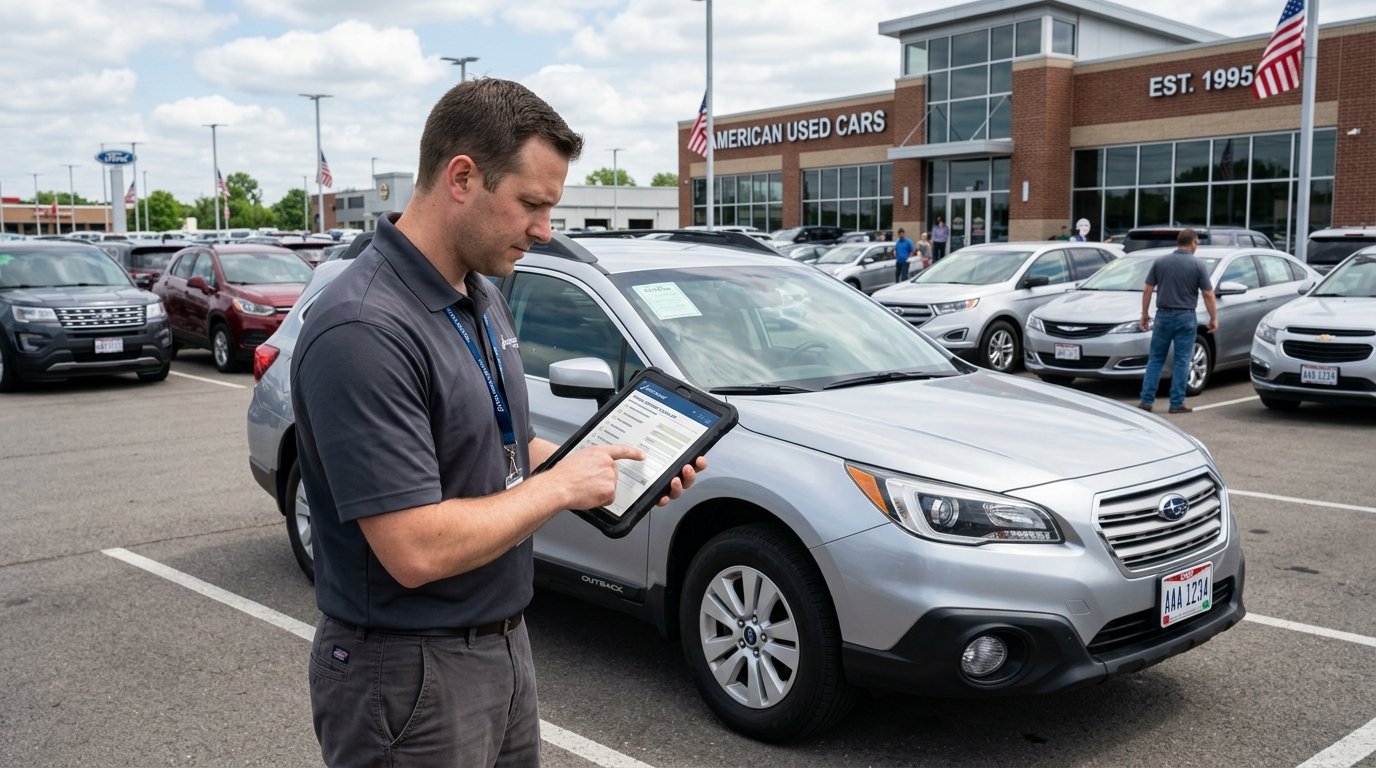
Buying a used car is a significant financial decision, and knowing exactly what you are purchasing is critical. A vehicleΓÇÖs appearance can be deceiving; a shiny exterior might hide a history of severe accidents, flood damage, or odometer rollbacks. Checking a vehicle’s history before you buy helps you uncover hidden red flags, evaluate the car’s true condition, and avoid costly surprises down the road.
What to Check in a VehicleΓÇÖs History
Check the VIN
The Vehicle Identification Number (VIN) is a unique 17-character code assigned to every vehicle. It acts as the vehicle’s fingerprint, tracking its history from the factory to its current owner. When inspecting a used car, always verify that the VIN on the dashboard matches the VIN on the driver’s side door jamb, as well as the title and registration documents. A mismatched or tampered VIN can be a strong indicator of fraud or theft. Understanding what a VIN is and why it matters is your first step in the verification process.
Review Accident & Damage History
Previous accidents can affect a vehicle’s safety, structural integrity, and resale value. A history check can reveal reported collisions, airbag deployments, and structural damage. Even if a vehicle has been repaired and looks flawless, knowing its past allows you to have a trusted mechanic inspect those specific areas for proper repairs. Knowing how to check accident history on a used car helps you negotiate a fair price or walk away from a dangerous purchase.
Check Title & Brand History
A vehicle’s title history provides crucial legal and condition information. If a vehicle has sustained severe damageΓÇösuch as from a major collision, flood, or fireΓÇöthe state may issue a “branded” title. Common brands include salvage, rebuilt, junk, or flood damage. A salvage title generally means the vehicle was declared a total loss by an insurance company. Keep in mind that specific terminology and brand requirements can vary significantly by state and jurisdiction.
Verify Odometer History
Odometer fraud, or “busting miles,” occurs when a seller illegally rolls back the vehicle’s mileage to increase its selling price. A history check tracks the recorded mileage at various points in the vehicle’s life, such as during emissions tests, registrations, and servicing. Consistent mileage records confirm the vehicle’s wear and tear is accurate. Any unexplained mileage discrepancies, such as a sudden drop in recorded miles, deserve immediate attention and skepticism.
Review Ownership History
The ownership and registration history provides useful context about how the vehicle was used. You can see how many previous owners the vehicle has had, the states or provinces where it was registered, and whether it was used as a personal commuter, a rental car, or a commercial fleet vehicle. A car with a single owner is often preferred, while a vehicle that has changed hands multiple times in a short period might indicate recurring mechanical issues.
Check Theft & Recovery Records
Purchasing a stolen vehicle can lead to devastating consequences, including the confiscation of the car without compensation. Checking for reported theft and recovery records ensures the vehicle you are buying is legally cleared for sale. If a vehicle has a history of theft, it may also be missing essential components or have hidden damage from the incident.
Look for Open Recalls
Manufacturers issue safety recalls when a vehicle has a defect that poses a safety risk. While checking a vehicle’s history, buyers should look for applicable, unresolved safety recalls. It is crucial to ensure that previous owners have addressed these free factory repairs before you take ownership and put yourself or your family at risk.
Review Service & Maintenance Records
Available service and maintenance records offer a window into how well the vehicle was cared for by its previous owners. Regular oil changes, timely belt replacements, and scheduled maintenance indicate a responsible owner. While not every oil change is reported to history databases, the records that are available can help you understand the vehicle’s overall mechanical health.
Get a Vehicle History Report Before You Buy
A VIN-based vehicle history report is the most efficient way to review available historical records before purchasing a used vehicle. By simply entering the 17-character VIN, you can pull together data from state DMVs, insurance companies, and service facilities into one comprehensive document. We encourage every buyer to run a USA Auto History report to gain deeper insights into a vehicle’s past and make a safer, more informed investment. If you aren’t sure what to look for, you can learn more about what a vehicle history report tells you.
DonΓÇÖt Rely on the History Report Alone
While a vehicle history report is an essential research tool, it should never be your only step. A report does not replace a physical inspection or a test drive. Not every incident, minor accident, or service event is necessarily reported to national databases. Always have a qualified, independent mechanic perform a pre-purchase inspection to evaluate the current physical and mechanical condition of the vehicle.
Conclusion
Checking a vehicle’s history before buying is a important step for any smart used-car shopper. By verifying the VIN, reviewing accident and title records, checking for odometer discrepancies, and confirming maintenance history, you protect yourself from overpaying for a hidden lemon. Combine your history report with a professional physical inspection, and you will have the confidence needed to make a sound, informed purchasing decision.